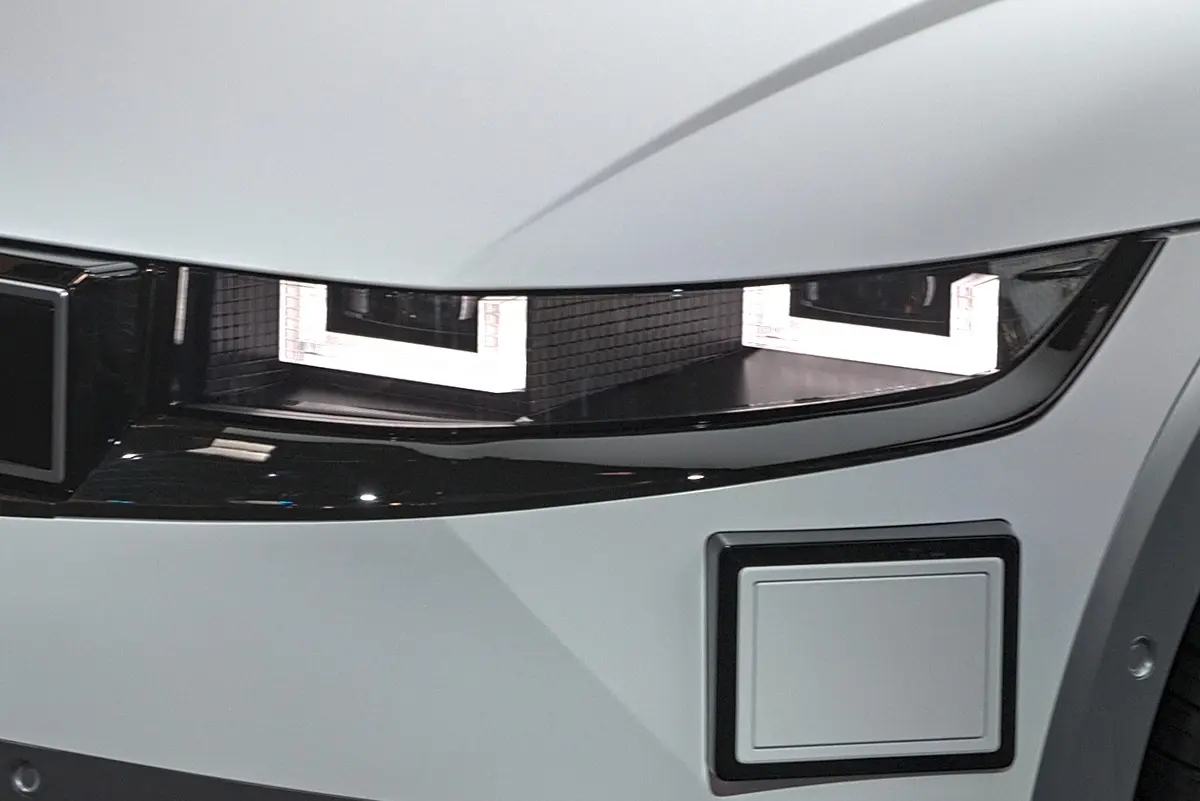
In a significant move for the future of urban mobility, Nissan, Uber, and the British AI specialist Wayve have announced a strategic trilateral partnership to launch robotaxi trials in Tokyo by the latter half of 2026. This collaboration marks a high-stakes entry into the autonomous vehicle (AV) market, combining Japan’s automotive heritage with Silicon Valley’s platform dominance and London’s cutting-edge “embodied AI” technology. By transforming the Nissan Leaf into a self-driving service accessible via the Uber app, the project positions Tokyo as a premier global laboratory for the transition toward a driverless society.
The partnership represents a sophisticated integration of hardware and software designed to navigate the complexities of Tokyo’s dense urban environment. Wayve’s AI-driven system, which utilizes end-to-end deep learning rather than traditional map-based navigation, will be embedded into Nissan’s electric vehicle fleet to provide a seamless, zero-emission transportation alternative. For Uber, this venture is a key pillar of its global expansion into autonomous transit, leveraging Tokyo’s sophisticated infrastructure to prove that AI can handle one of the world’s most challenging metropolitan landscapes.
From a corporate perspective, this initiative arrives at a critical juncture for Nissan as it navigates a challenging restructuring phase. Facing a projected net loss of 650 billion yen for the current fiscal year, the automaker is pivoting aggressively toward “mobility as a service” (MaaS) to diversify its revenue streams and future-proof its business model. This robotaxi trial serves as a vital bridge to Nissan’s 2027 roadmap, which aims to introduce next-generation driver-assistance technologies across its commercial lineup, effectively turning a period of financial turbulence into a catalyst for technological leapfrogging.
Beyond the balance sheets, the tie-up functions as a form of high-level tech diplomacy between Japan, the United Kingdom, and the United States. As nations compete for dominance in the AI and robotics sectors, this cross-border alliance underscores the importance of international cooperation in setting global standards for autonomous safety and ethics. By hosting this trial, Tokyo reaffirms its status as a leading smart city hub, demonstrating how a shrinking labor force and an aging population can find sustainable solutions through the strategic adoption of foreign innovation and domestic industrial expertise.
Ultimately, the launch of these robotaxi trials by late 2026 signals a definitive shift in the global luxury and business travel sectors, where “exclusivity” is increasingly defined by technological seamlessness and privacy. As the project scales, it has the potential to redefine the very concept of the Tokyo commute, offering a glimpse into a future where the distinction between public transport and private luxury disappears into the cloud. For the diplomatic and business communities, the Nissan-Uber-Wayve alliance is more than a commercial test—it is a bold manifesto for the next era of globalized, intelligent transit.