Our website use cookies to improve and personalize your experience and to display advertisements (if any). Our website may also include cookies from third parties like Google Adsense, Google Analytics, Youtube. By using the website, you consent to the use of cookies. We have updated our Privacy Policy. Please click on the button to check our Privacy Policy.

Japan

Japan tightens Mount Fuji climbing rules with mandatory gear checks

Japan tightens Mount Fuji climbing rules with mandatory gear checks

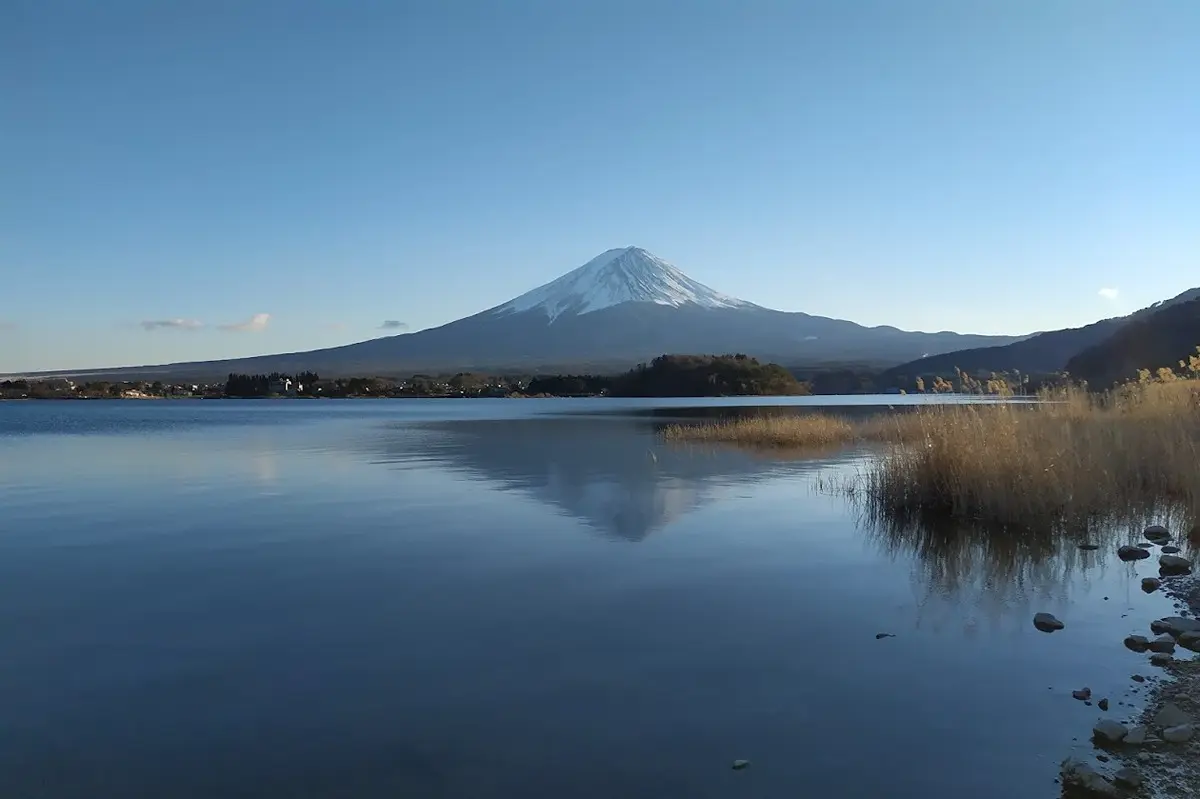
Japan will introduce stricter safety controls for the 2026 climbing season on Mount Fuji, as authorities in Yamanashi Prefecture move to enforce mandatory equipment checks on one of the mountain’s most popular routes. The new measures, focused on the Yoshida Trail, will require climbers to carry a minimum set of gear — including proper hiking boots, rainwear, and cold-weather clothing — in order to access the mountain. Officials say the rules respond to a growing number of accidents linked to poorly equipped visitors, particularly during peak summer months when conditions at the summit can still drop below freezing. Under the…
Read More
Prefectures step into foreign labour diplomacy as Tokyo lags behind

Prefectures step into foreign labour diplomacy as Tokyo lags behind

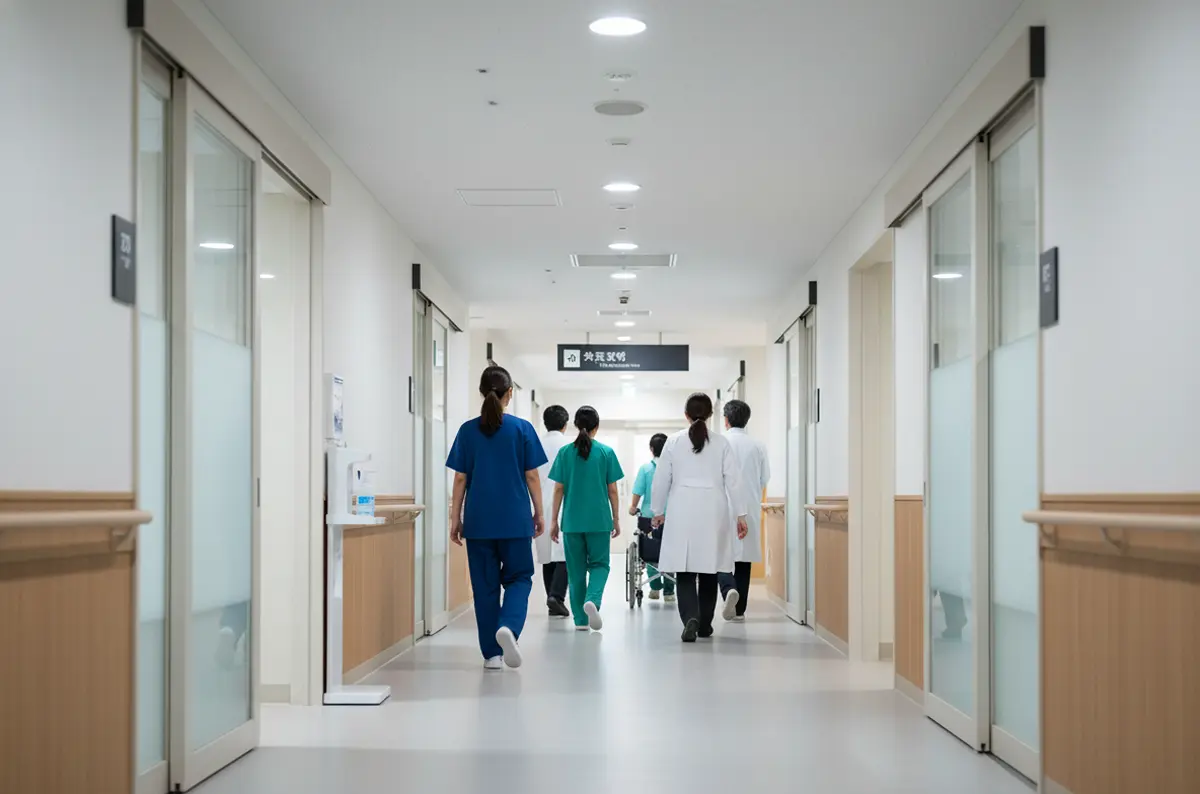
A growing number of Japanese prefectures are increasingly taking an active role in securing foreign workers, reflecting structural limits in the central government’s ability to address regional labour shortages. According to a survey by NHK, 20 of Japan’s 47 prefectures have signed memorandums with foreign governments to attract and retain workers, signalling a gradual decentralisation of labour-related international engagement. Japan’s foreign workforce reached a record 2.57 million people as of last October, yet its distribution remains highly uneven, with around 40% concentrated in Tokyo and its three surrounding prefectures. This imbalance is leaving many regional economies—particularly in agriculture, elderly care…
Read More
Japan defends Sakhalin-2 stake as energy security asset

Japan defends Sakhalin-2 stake as energy security asset

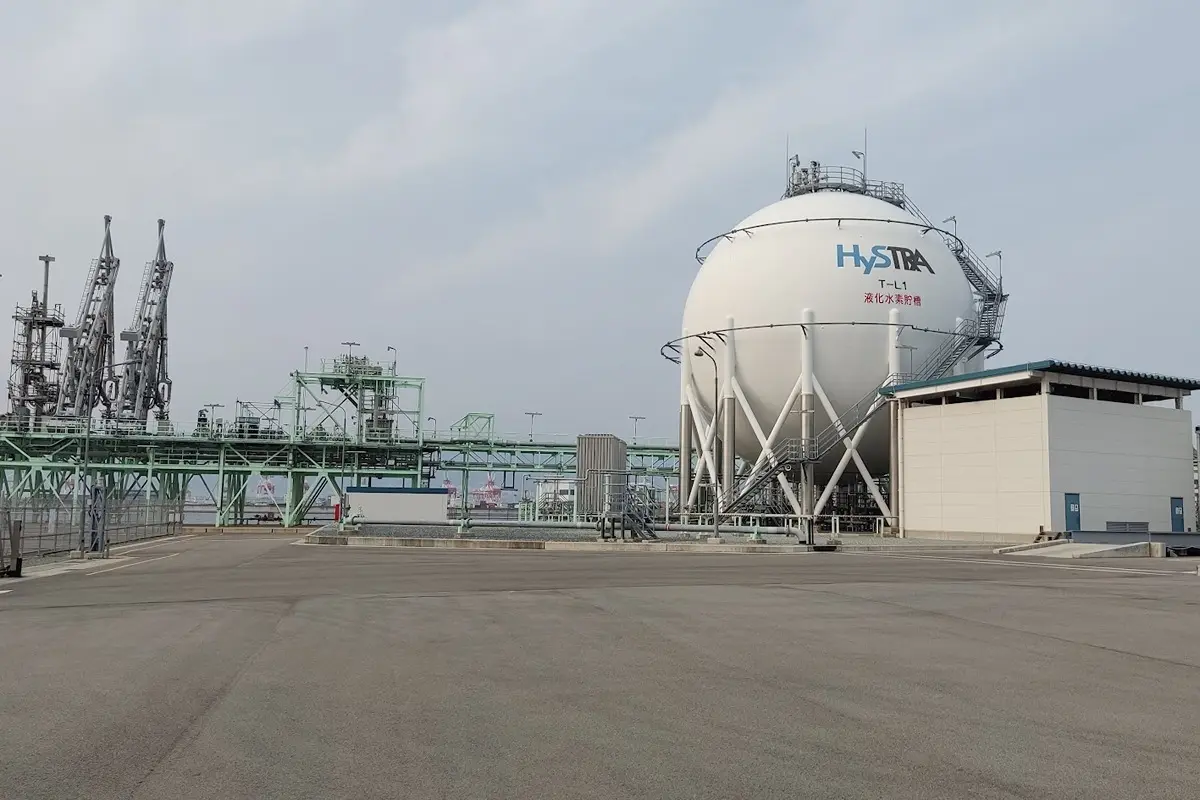
Japan has reaffirmed its position within the Sakhalin-2 LNG project during a recent G7 follow-up meeting, framing its continued participation as a matter of national energy security rather than geopolitical alignment. Despite sustained pressure from Western partners to reduce exposure to Russian fossil fuels, Tokyo maintains that its stake remains essential to avoid supply instability. In 2025, Japan accounted for approximately 58% of liquefied natural gas (LNG) purchases from Sakhalin-2, according to project operator Sakhalinskaya Energia. Japanese trading houses Mitsui & Co. and Mitsubishi Corporation collectively hold a 22.5% stake in the project, which is majority-controlled by Russia’s state-owned energy…
Read More
Japan completes first 2026 Fukushima treated water release

Japan completes first 2026 Fukushima treated water release

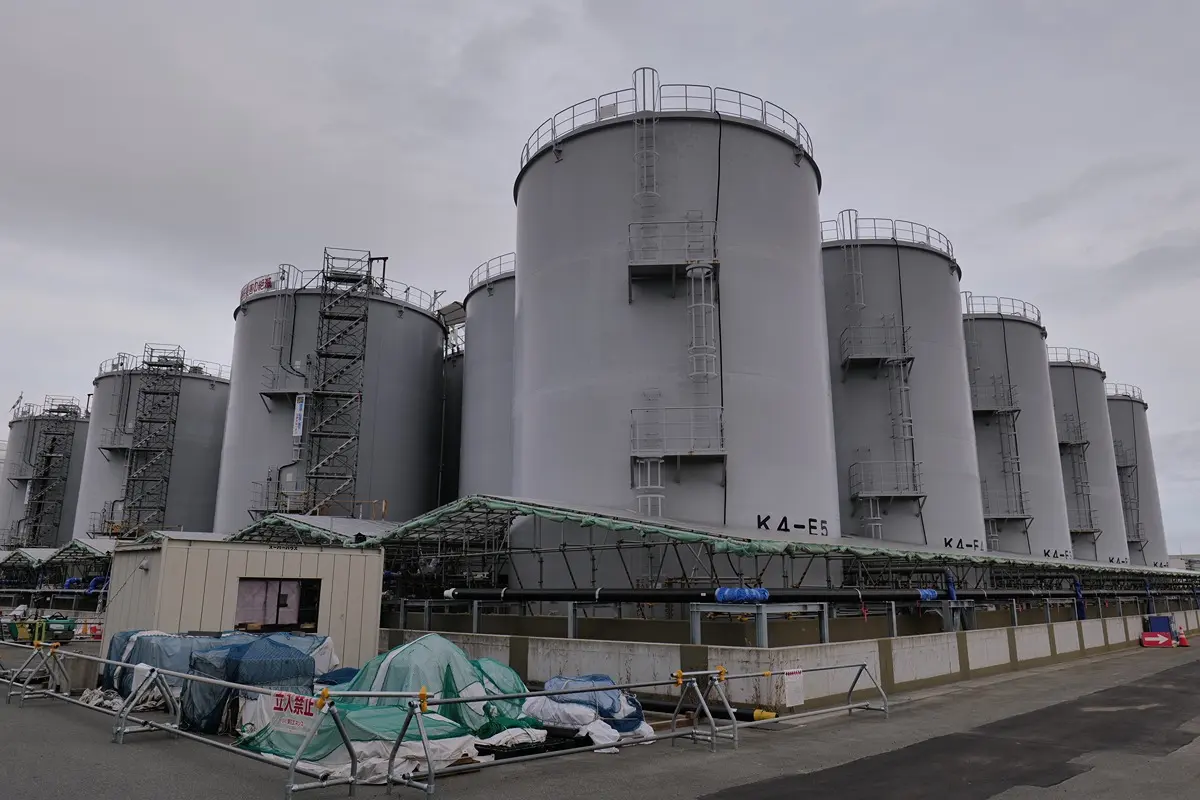
Japan has completed the first discharge of ALPS-treated water from the Fukushima Daiichi Nuclear Power Station for fiscal year 2026, marking the continuation of a long-term decommissioning process that remains under close international and domestic scrutiny. According to Tokyo Electric Power Company Holdings (TEPCO), the release began on April 2 and concluded on April 20, with approximately 7,865 cubic metres of treated water discharged into the Pacific Ocean. The utility stated that tritium levels remained well below operational safety thresholds throughout the process. The company added that seawater monitoring conducted at multiple locations within a 10-kilometre radius confirmed radiation levels…
Read More
Fear and vigilance grip northern Japan after 7.7 quake and tsunami alert

Fear and vigilance grip northern Japan after 7.7 quake and tsunami alert

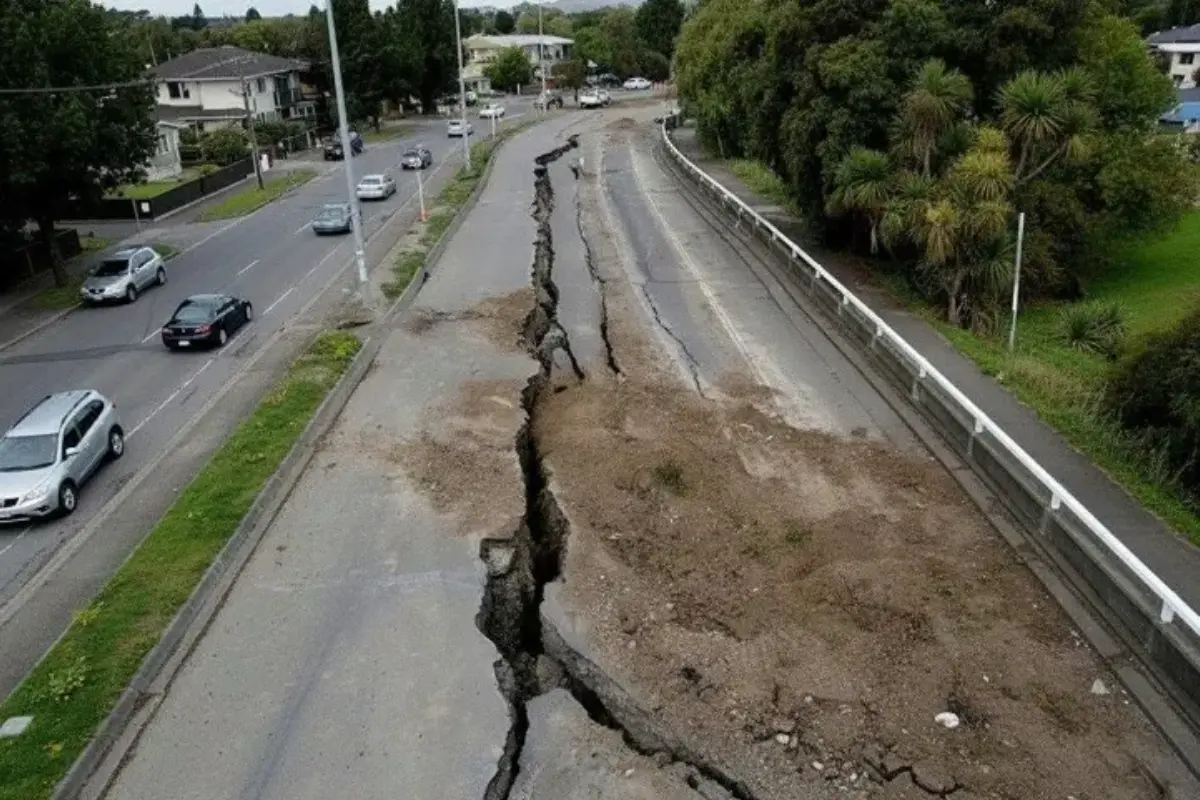
A powerful earthquake off the northern coast of Japan has left communities on alert after authorities warned that the risk of an even larger quake remains unusually high, raising fresh concerns in a country long accustomed to living with seismic uncertainty. The 7.7-magnitude tremor struck offshore near Iwate Prefecture on April 20, sending strong shaking as far as Tokyo and triggering tsunami warnings along parts of the Pacific coast. Within hours, evacuation orders were issued in several coastal towns, where residents moved to higher ground amid fears of waves reaching up to three metres. Although no major damage or casualties…
Read More
Japan moves toward new security posture amid reform push

Japan moves toward new security posture amid reform push

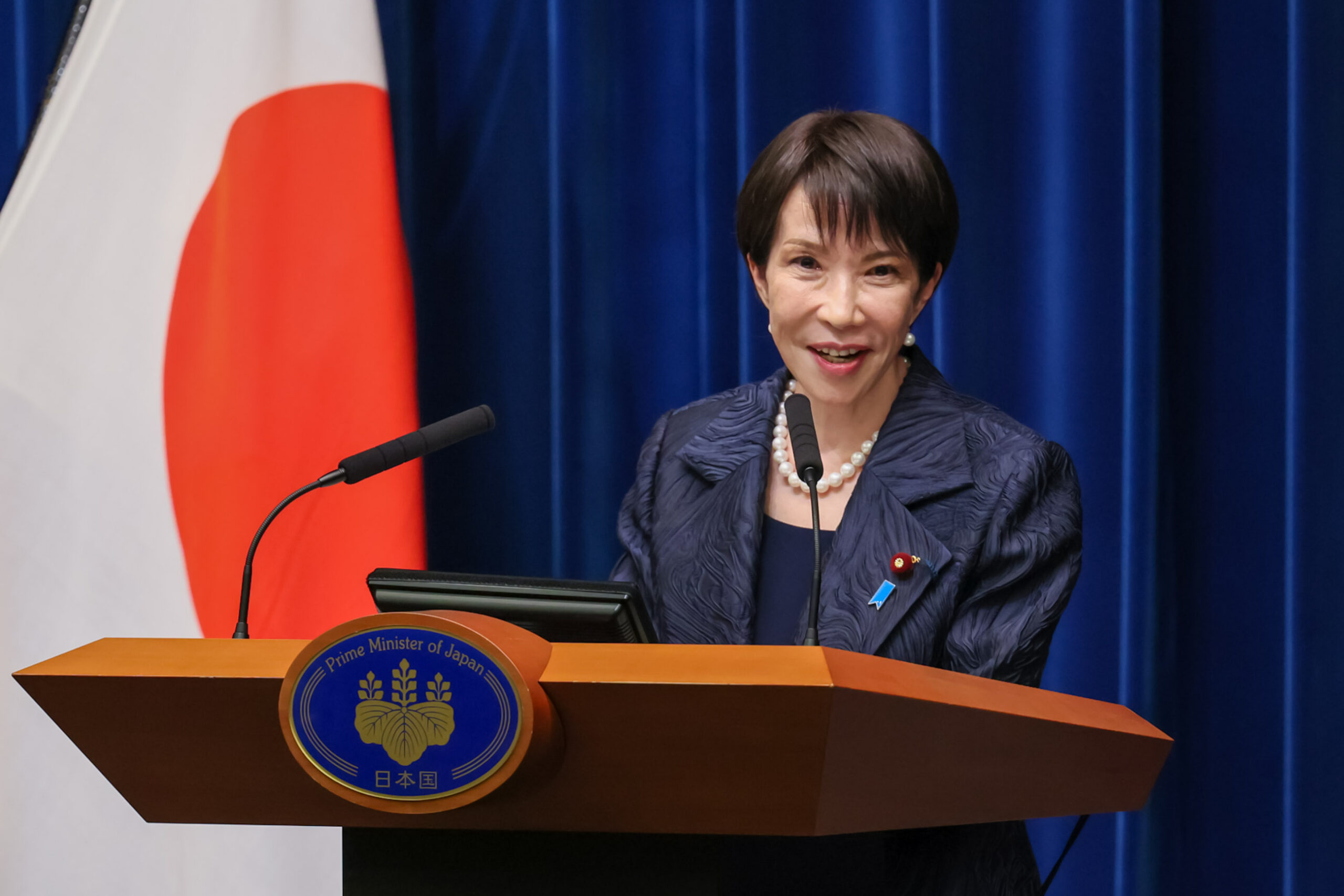
Japan is entering a new phase in its postwar security posture, as political momentum builds around constitutional reform alongside a gradual easing of long-standing restrictions on defense policy. Prime Minister Sanae Takaichi has renewed calls to revise the country’s pacifist constitution, arguing that Japan must adapt to an increasingly complex regional security environment. The debate, particularly around Article 9, has triggered public demonstrations, reflecting the sensitivity of any shift away from Japan’s traditional pacifist stance. At the same time, Tokyo is moving to expand its role in global defense cooperation. Recent policy adjustments have opened the door to broader arms…
Read More
The US and Japan advance cultural diplomacy agenda in digital era

The US and Japan advance cultural diplomacy agenda in digital era

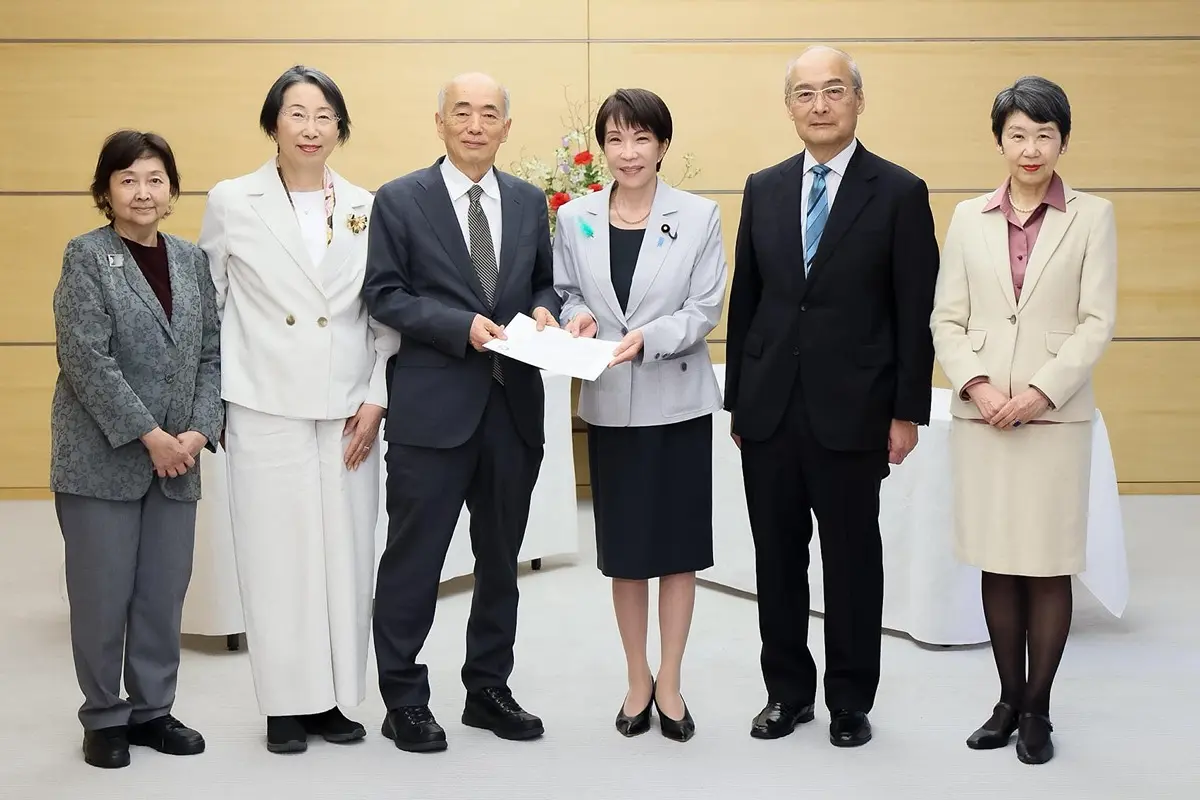
Japan is moving to strengthen its global positioning through cultural and educational diplomacy, as Prime Minister Sanae Takaichi met with Kenichiro Sasae, chair of the Japan side of the CULCON. During the meeting, Sasae presented the joint statement adopted at the latest CULCON plenary session in Okinawa, outlining proposals aimed at reinforcing bilateral ties in areas that go beyond traditional diplomacy. The discussions highlighted Tokyo’s growing focus on cultural influence and knowledge exchange as strategic tools. At the core of the initiative are two priorities: improving access to information in the digital age and expanding subnational diplomacy through local and…
Read More
Tokyo unveils $10B plan to secure Asia’s energy supply

Tokyo unveils $10B plan to secure Asia’s energy supply

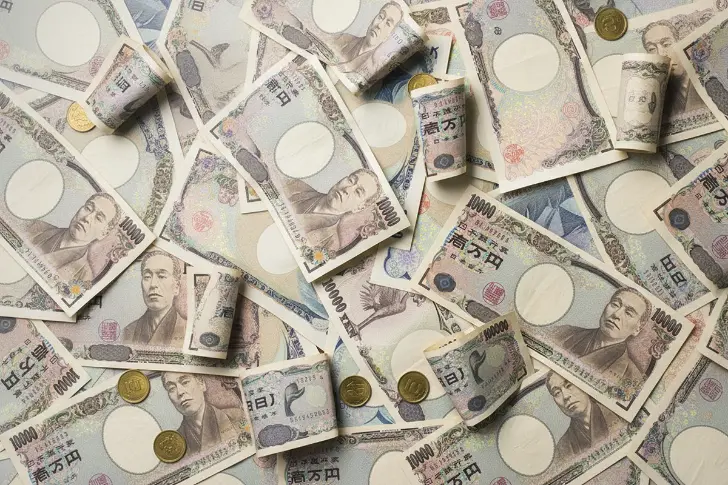
Japan is stepping up its regional role in energy security with the launch of a 10 billion dollars initiative aimed at helping Asian countries secure stable oil supplies amid rising geopolitical uncertainty. The plan, backed by the Japanese government, seeks to provide financial support and coordination mechanisms to ensure continued access to energy resources across the region. The move comes at a time of heightened tensions in the Middle East, a critical supplier of oil to many Asian economies. Tokyo’s initiative reflects growing concern over supply disruptions and price volatility, particularly for countries heavily dependent on imported energy. By strengthening…
Read More
Tokyo maintains cautious stance on myanmar developments

Tokyo maintains cautious stance on myanmar developments

Japan has adopted a cautious and calibrated response to recent political developments in Myanmar, positioning itself broadly in line with regional efforts led by the ASEAN while maintaining its own diplomatic flexibility. Speaking at a recent press briefing, Foreign Minister Toshimitsu Motegi refrained from directly commenting on the appointment of Min Aung Hlaing as president. Tokyo instead reiterated its principle of non-interference, a stance that mirrors ASEAN’s traditionally cautious approach to internal political developments among its members. ASEAN, through its “Five-Point Consensus,” has called for an immediate cessation of violence, dialogue among all parties, and humanitarian access. Japan’s messaging closely…
Read More
Takaichi signals budget reform push

Takaichi signals budget reform push

Japanese Prime Minister Sanae Takaichi has signaled a renewed push for fiscal reform, following a meeting of the government’s Council on Economic and Fiscal Policy aimed at shaping the country’s upcoming budget strategy. Speaking after the session, Takaichi emphasized the need for a clearer and more disciplined framework for economic policy, describing the forthcoming Basic Policy on Economic and Fiscal Management as “robust, concise and message-driven.” The discussions mark an early step toward what could become a broader overhaul of Japan’s budget formulation process, with the government seeking to streamline decision-making and improve policy coherence amid mounting fiscal pressures. Tokyo…
Read More