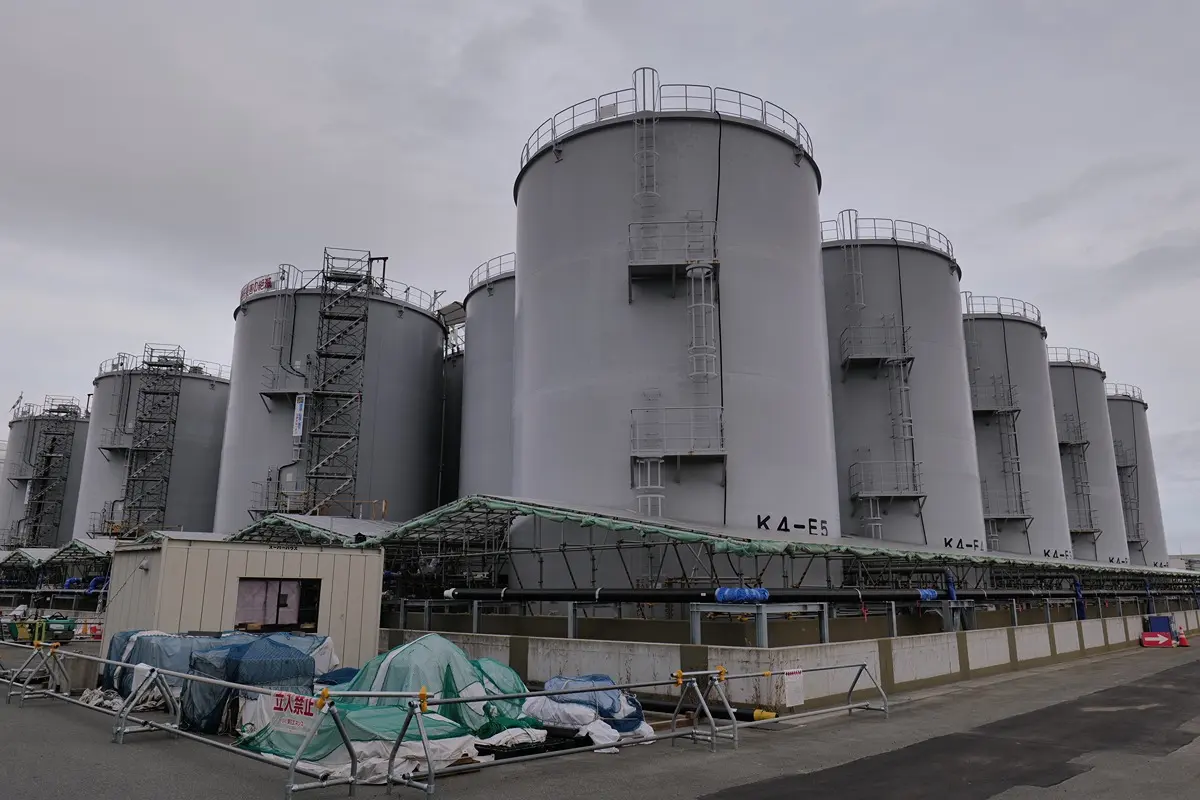
Japan has completed the first discharge of ALPS-treated water from the Fukushima Daiichi Nuclear Power Station for fiscal year 2026, marking the continuation of a long-term decommissioning process that remains under close international and domestic scrutiny.
According to Tokyo Electric Power Company Holdings (TEPCO), the release began on April 2 and concluded on April 20, with approximately 7,865 cubic metres of treated water discharged into the Pacific Ocean. The utility stated that tritium levels remained well below operational safety thresholds throughout the process.
The company added that seawater monitoring conducted at multiple locations within a 10-kilometre radius confirmed radiation levels stayed within regulatory limits, with tritium concentrations significantly below suspension thresholds. Daily analysis was carried out during the discharge period to ensure compliance with safety standards.
The release is part of Japan’s broader plan to gradually dispose of treated water accumulated at the Fukushima site following the 2011 nuclear disaster. For fiscal year 2026, authorities plan up to eight discharge cycles, with a total annual volume of around 62,400 cubic metres.
While the government and TEPCO maintain that the process meets international safety guidelines, the policy continues to draw concern from neighbouring countries and fishing communities, underscoring the delicate balance Japan faces between advancing decommissioning efforts and managing reputational and environmental sensitivities.