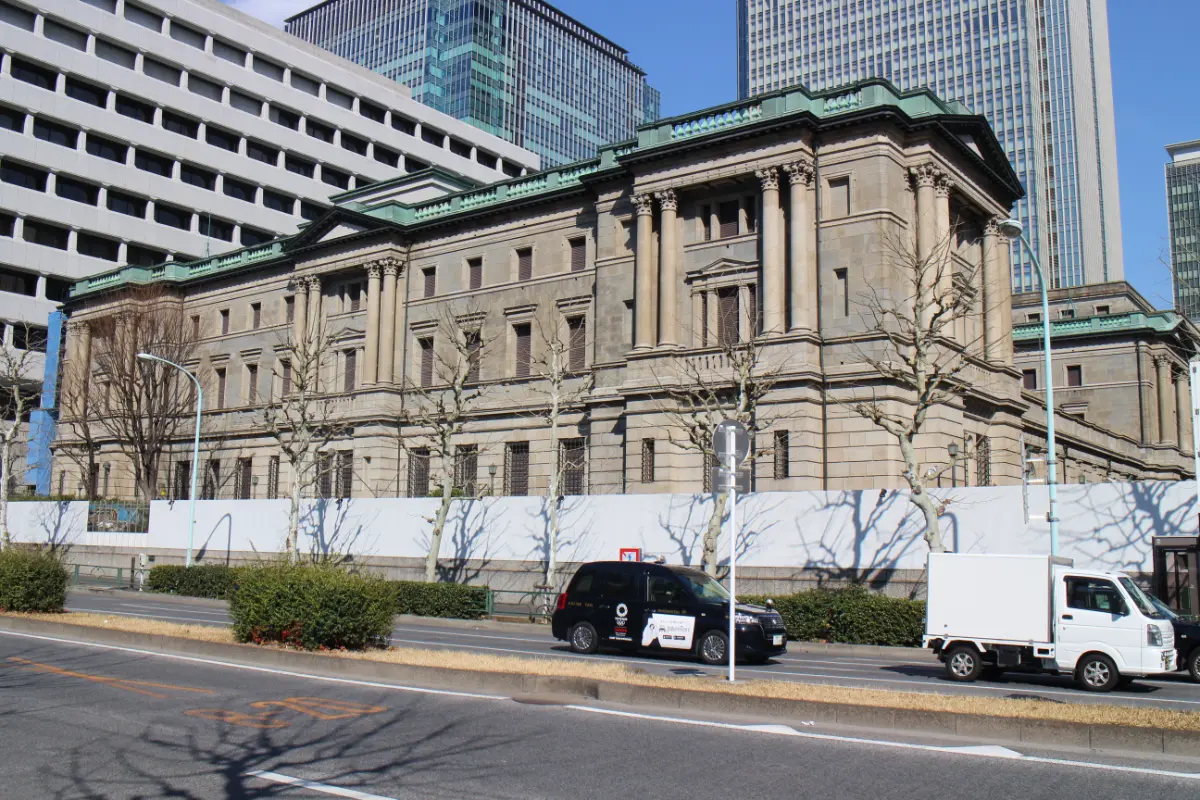
The Bank of Japan has sought to temper market expectations of an imminent interest rate hike, even as economists increasingly point to a potential move as early as June.
Speaking recently, Governor Kazuo Ueda avoided signalling any immediate policy tightening, stressing the need to carefully assess Japan’s still-low real interest rates and the broader economic outlook. His remarks cooled speculation of an early move, which had been building in financial markets.
However, this cautious tone contrasts with growing expectations among analysts. According to recent surveys, a majority of economists believe the BOJ could raise rates in the coming months, driven by persistent inflationary pressures — particularly those linked to energy costs and global geopolitical tensions.
The divergence highlights a delicate moment for Japan’s monetary policy. After decades of ultra-loose conditions, the central bank is navigating the early stages of normalization while seeking to avoid destabilizing financial markets or undermining fragile domestic growth.
For investors, the message is increasingly nuanced: while the timing of the next rate hike remains uncertain, the direction of travel is clear. Japan is moving — gradually but decisively — toward a new monetary phase, with implications that extend well beyond its borders.