Spain’s Embassy in Japan has stirred debate on social media after publishing a warning to Spanish travellers about theft laws in the country, with many users criticising the tone and implications of the message.
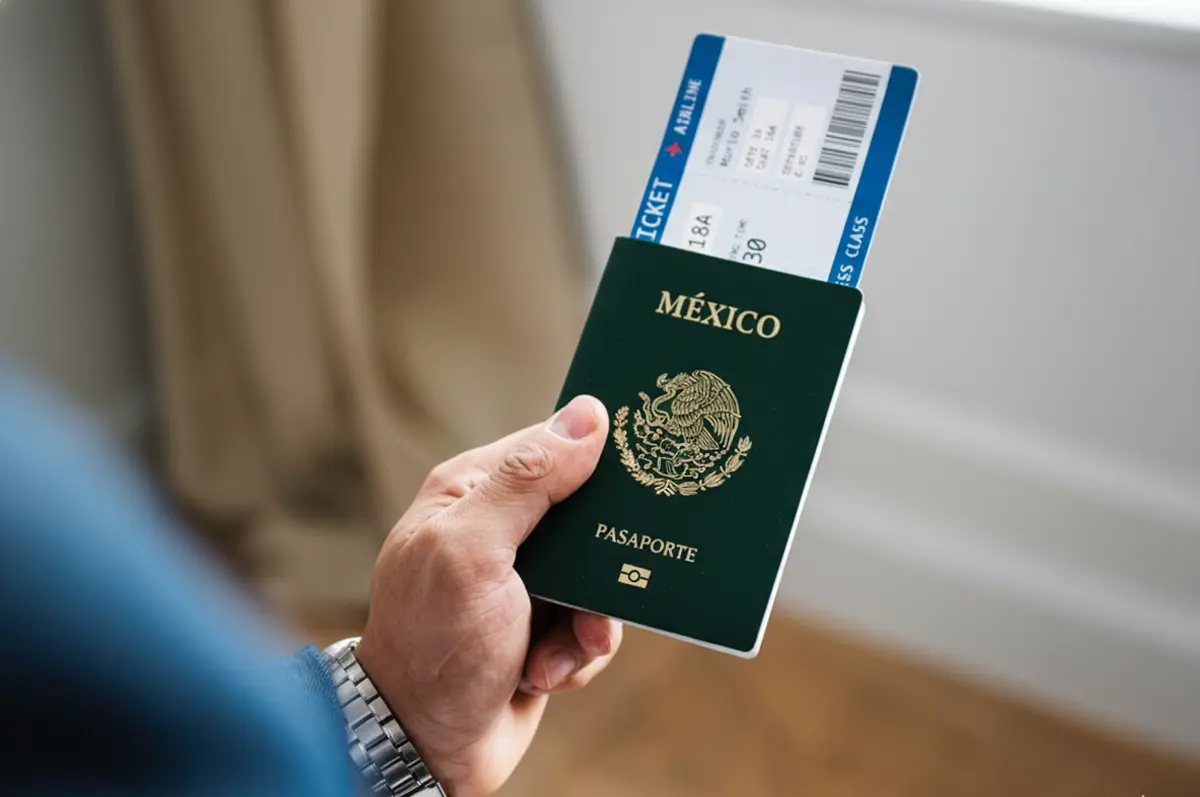
The tweet, posted this week, cautioned that what may seem “unimportant” -such as taking items without paying- is considered a serious crime in Japan and can lead to significant legal consequences. The message urged visitors to “enjoy your trip with respect and responsibility,” but quickly triggered a wave of reactions online.
A large number of replies questioned the framing of the warning, with some users sarcastically asking whether theft is tolerated in Spain, while others criticised what they perceived as a patronising tone. The debate escalated as screenshots of the post circulated across platforms, amplifying the controversy beyond the embassy’s immediate audience.
The incident highlights the delicate balance embassies must strike when communicating with their nationals abroad, particularly in countries like Japan, where legal norms and social expectations around public behaviour differ markedly from those in Europe. While consular advisories are common, the wording and cultural sensitivity of such messages can significantly shape public reception.
The embassy has not issued a follow-up clarification at the time of writing, but the episode underscores how even routine travel advice can quickly evolve into a reputational issue in the age of social media, where diplomatic communication is increasingly scrutinised in real time.