The Japanese luxury sector has achieved a historic milestone in 2026 as its market value officially exceeded 5.4 trillion yen. Despite global economic deceleration and significant market volatility in other regions, the archipelago has maintained a steady and resilient growth rate of 2% to 3%. This consistent performance solidifies the country’s position as a bastion of stability for major European fashion houses, which increasingly view the Japanese consumer base and local retail infrastructure as a vital safeguard against international financial and geopolitical uncertainty.
This economic vitality is largely driven by the strategic combination of a historically weak Yen and a massive resurgence in high-end international tourism. The resulting price differentials have transformed Japan into a primary destination for luxury shoppers, particularly those from the United States and across the Asian continent. Global brands have responded by optimizing their domestic inventories to capture this constant flow of foreign capital, as affluent travelers recognize Tokyo as a unique opportunity to acquire exclusive pieces at highly competitive rates compared to their home markets.
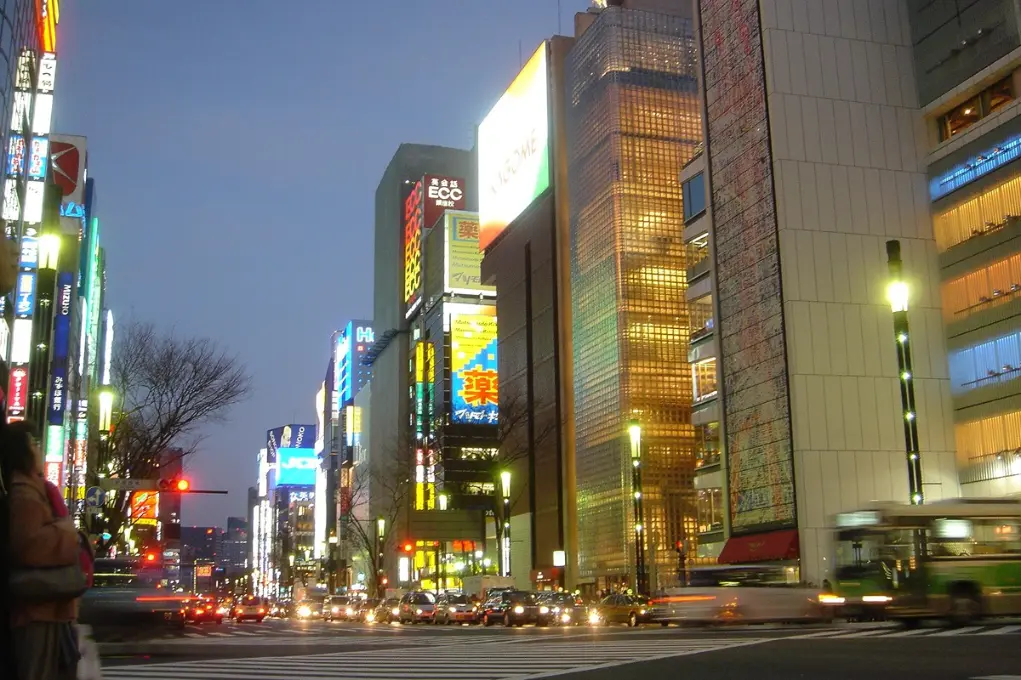
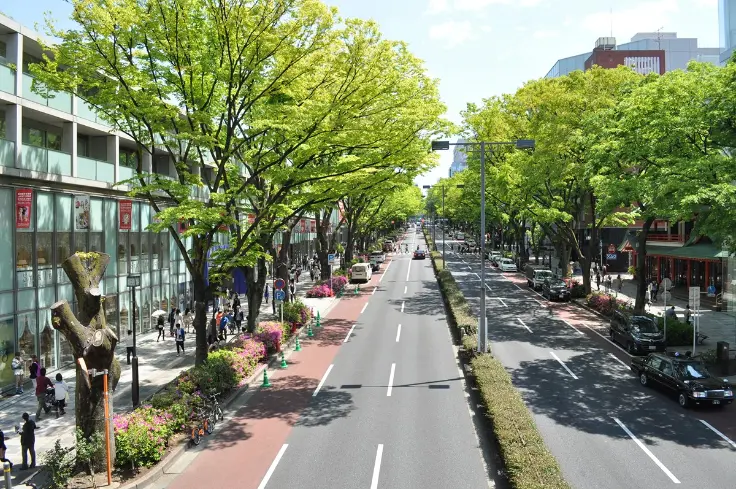
Tokyo has definitively established itself as the region’s premier hub for high-end retail with districts such as Ginza, Omotesando, and Daikanyama serving as the nerve centers for flagship expansions and experimental retail concepts. The proliferation of spaces that blend fashion with elite dining and signature architecture demonstrates that the Japanese market demands an institutionalized, immersive experience rather than just a commercial transaction. This concentration of high-level offerings allows the Japanese capital to compete directly with Paris and Milan for global industry leadership and cultural influence.
From a corporate diplomacy perspective, Japan has emerged as a strategic safe haven for global luxury investment. At a time when other traditional markets present heightened risks or consumer saturation, the legal security and sophistication of the Japanese commercial fabric offer an unmatched framework for long-term brand commitment. The synergy between the prestige of European craftsmanship and the local Japanese aesthetic is defining a new standard of luxury that prioritizes heritage—values that the Japanese consumer, particularly Gen Z, regards as essential pillars of modern identity.
Ultimately, 2026 marks a turning point where Japan reaffirms its role as the central pillar of global strategy for luxury multinationals. The nation’s ability to hybridize technological innovation with a deep, ancestral respect for artisanal quality ensures an economic sustainability that few other territories can currently match. For prestige brands, success in Japan serves as the ultimate health indicator for their global vision, proving that the diplomacy of excellence remains the most effective tool for navigating the complexities of the 21st-century global economy.