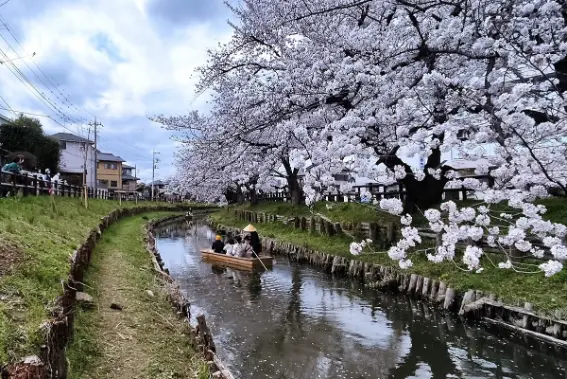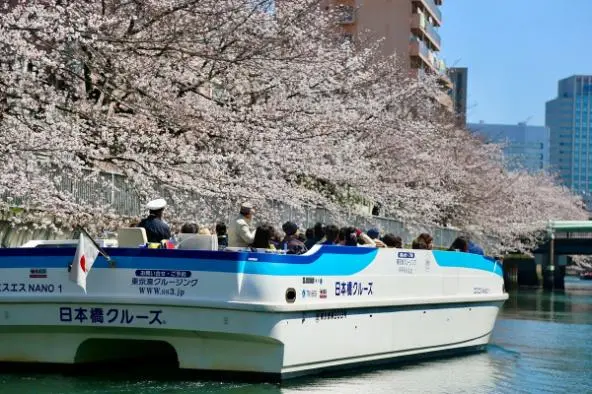
Tokyo’s iconic cherry blossom season, known as hanami, is facing an unexpected economic challenge this year that directly impacts the luxury segment. The rising cost of fuel has significantly increased the prices of exclusive river cruises navigating the Sumida River and other central Tokyo waterways. This price hike is not an isolated phenomenon but rather the result of global inflationary pressures that have begun to erode the profitability of the city’s most select experiences, forcing operators to redefine their pricing strategies for the spring of 2026.
Premium cruise operators have been compelled to adjust their rates to compensate for international energy market volatility. These experiences, which offer privileged views of the cherry blossoms away from the park crowds, have historically served as a sanctuary of tranquility for the local elite and high-net-worth tourists. Now, the cost of a private journey beneath the falling petals has become a clear indicator of how macroeconomic shifts affect even the most traditional aspects of Japanese culture, transforming an aesthetic tradition into a matter of financial logistics.
Experiential luxury in Tokyo is demonstrating an increasing sensitivity to international geopolitics and energy supply chains. Japan’s significant energy dependence means that any fluctuation in global oil prices is rapidly transferred to the high-end service sector, including services previously considered immune to minor price variations. This situation highlights that no market niche is truly alienated from global tensions, and that energy sovereignty has a direct translation into the price of exclusivity and the quality of life in the Japanese capital.
Despite the rising costs, demand for these personalized experiences remains firm, highlighting the resilience of the premium market in the face of inflation. Luxury consumers appear willing to absorb additional costs in exchange for maintaining the standards of privacy and excellence that define springtime in Tokyo. This behavior reflects a global trend where the value of a unique, memorable experience prevails over purely monetary considerations, even as the operating margins of companies in the sector are compromised by external factors.
Ultimately, the 2026 season marks a turning point where energy geopolitics has taken a seat at the table of Japanese luxury. The sector’s ability to navigate these costs without losing its appeal will depend on its capacity to justify price increases through even more personalized services and a differentiated offering that goes beyond the simple journey. For the business and diplomatic communities in Tokyo, the cherry blossom cruises serve as a masterclass in how global forces can alter the delicate harmony of a thousand-year-old tradition.