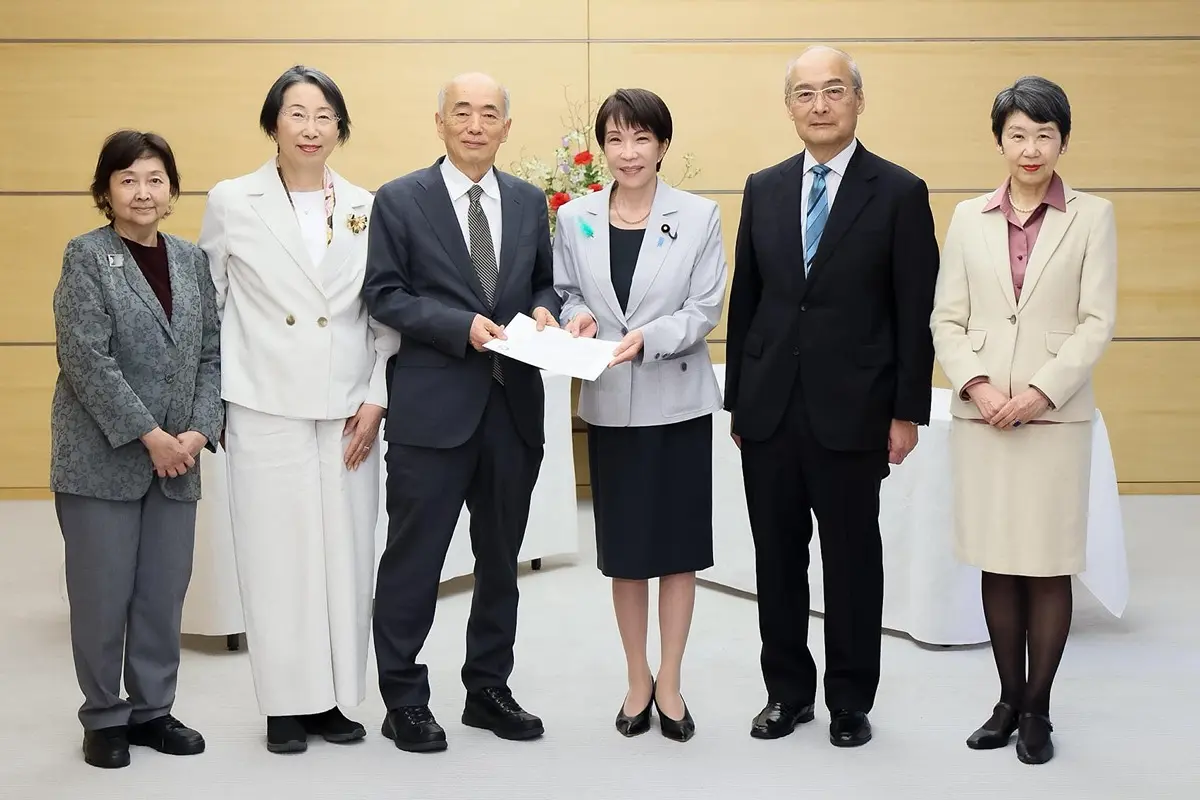
Japan is moving to strengthen its global positioning through cultural and educational diplomacy, as Prime Minister Sanae Takaichi met with Kenichiro Sasae, chair of the Japan side of the CULCON.
During the meeting, Sasae presented the joint statement adopted at the latest CULCON plenary session in Okinawa, outlining proposals aimed at reinforcing bilateral ties in areas that go beyond traditional diplomacy. The discussions highlighted Tokyo’s growing focus on cultural influence and knowledge exchange as strategic tools.
At the core of the initiative are two priorities: improving access to information in the digital age and expanding subnational diplomacy through local and regional exchanges. These areas reflect a broader effort by Japan to modernize its international engagement model and strengthen long-term partnerships at multiple levels of society.
The proposals also emphasize the role of universities, businesses, and regional actors in sustaining the U.S.-Japan relationship. By promoting digital access to academic resources and encouraging cross-border collaboration, Japan aims to reinforce its innovation ecosystem and global competitiveness.
Takaichi’s engagement with CULCON members signals a strategic shift in how Tokyo views soft power — not simply as cultural outreach, but as a key pillar of economic security and international influence in an increasingly competitive global environment.