Japan is entering a new phase in its postwar security posture, as political momentum builds around constitutional reform alongside a gradual easing of long-standing restrictions on defense policy.
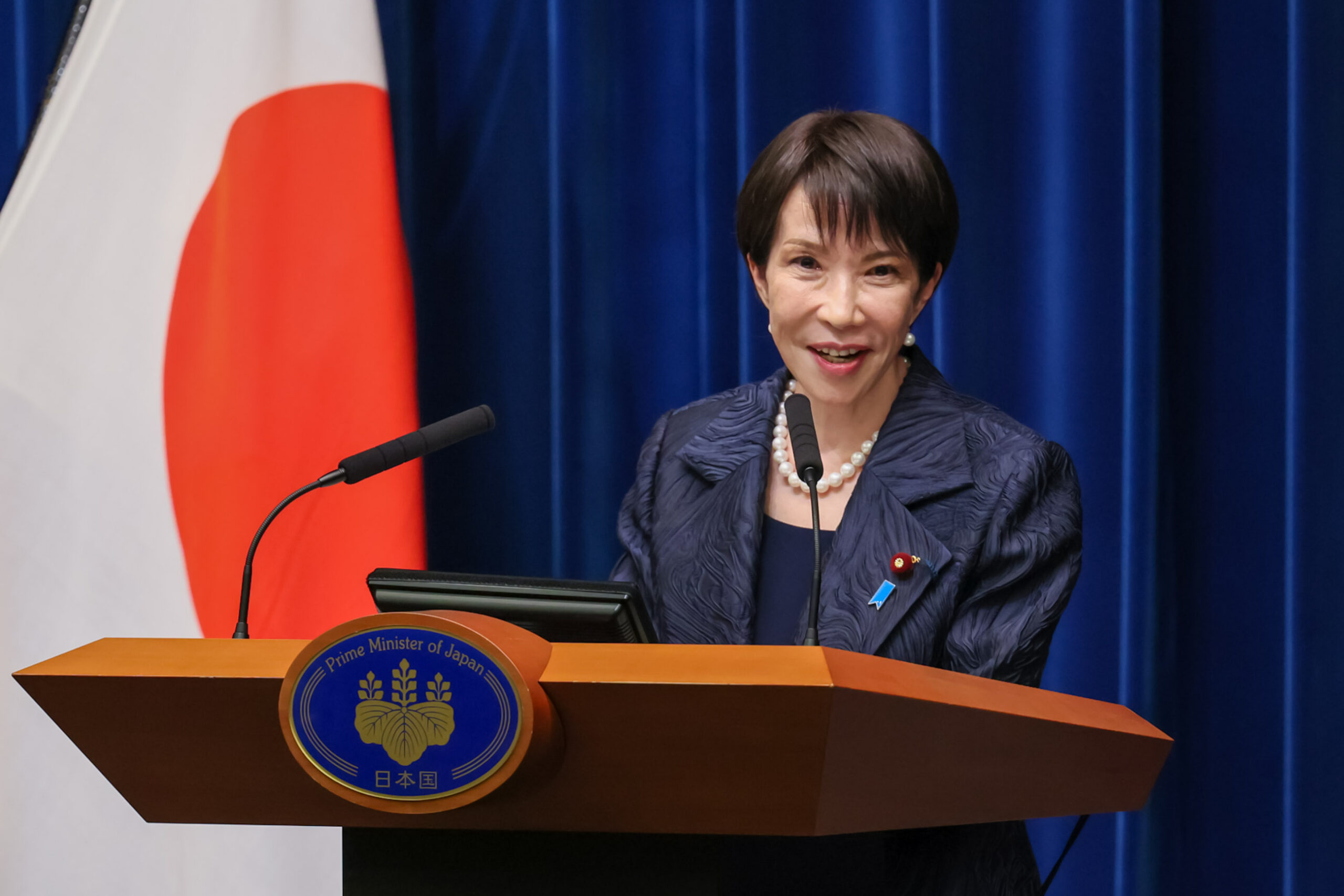
Prime Minister Sanae Takaichi has renewed calls to revise the country’s pacifist constitution, arguing that Japan must adapt to an increasingly complex regional security environment. The debate, particularly around Article 9, has triggered public demonstrations, reflecting the sensitivity of any shift away from Japan’s traditional pacifist stance.
At the same time, Tokyo is moving to expand its role in global defense cooperation. Recent policy adjustments have opened the door to broader arms exports and deeper collaboration with allies, marking what analysts describe as one of the most significant changes in Japan’s defense posture in decades.
These parallel developments are not occurring in isolation. Heightened tensions in the Indo-Pacific, concerns over regional stability, and evolving alliance dynamics — particularly with the United States and European partners — are accelerating discussions on Japan’s strategic responsibilities.
While the government frames these moves as necessary adaptations to a changing world, they also raise fundamental questions about Japan’s identity and future role on the global stage. For Tokyo, the challenge will be to balance enhanced security engagement with domestic consensus and the legacy of its postwar pacifism.