Japan has issued a formal protest to China following the confirmation of a new offshore structure installed by Beijing on the western side of the geographical equidistance line in the East China Sea, a move that risks further straining already fragile bilateral relations.
According to Japan’s Ministry of Foreign Affairs, the installation underscores China’s continued push for unilateral development in waters where maritime boundaries — including the Exclusive Economic Zone (EEZ) and continental shelf — remain unresolved. Tokyo described the move as “extremely regrettable,” warning that such actions undermine trust and complicate efforts to manage shared resources.
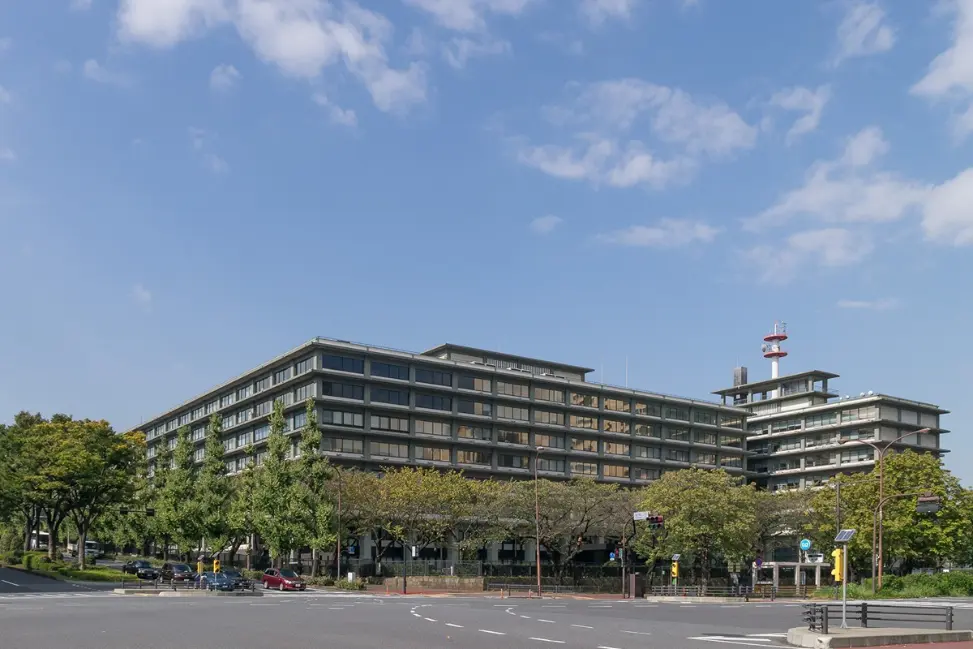
The protest was formally conveyed by Masaaki Kanai, Director-General of the Asian and Oceanian Affairs Bureau, to Shi Yong, Deputy Chief of Mission at the Chinese Embassy in Tokyo. Japanese officials reiterated their call for restraint and emphasized the need to avoid actions that could escalate tensions in a strategically sensitive area.
At the core of Japan’s position is the stalled implementation of the June 2008 agreement between the two countries, which established a framework for joint development of natural resources in the East China Sea. Tokyo is now urging Beijing to return to the negotiating table and resume discussions aimed at operationalizing that accord.
The latest development highlights the persistent challenges in managing maritime disputes in East Asia, where overlapping claims and strategic competition continue to intersect with energy security concerns. Without renewed diplomatic engagement, analysts warn that incremental actions on the ground — or at sea — could further erode stability in one of the region’s most contested waterways.