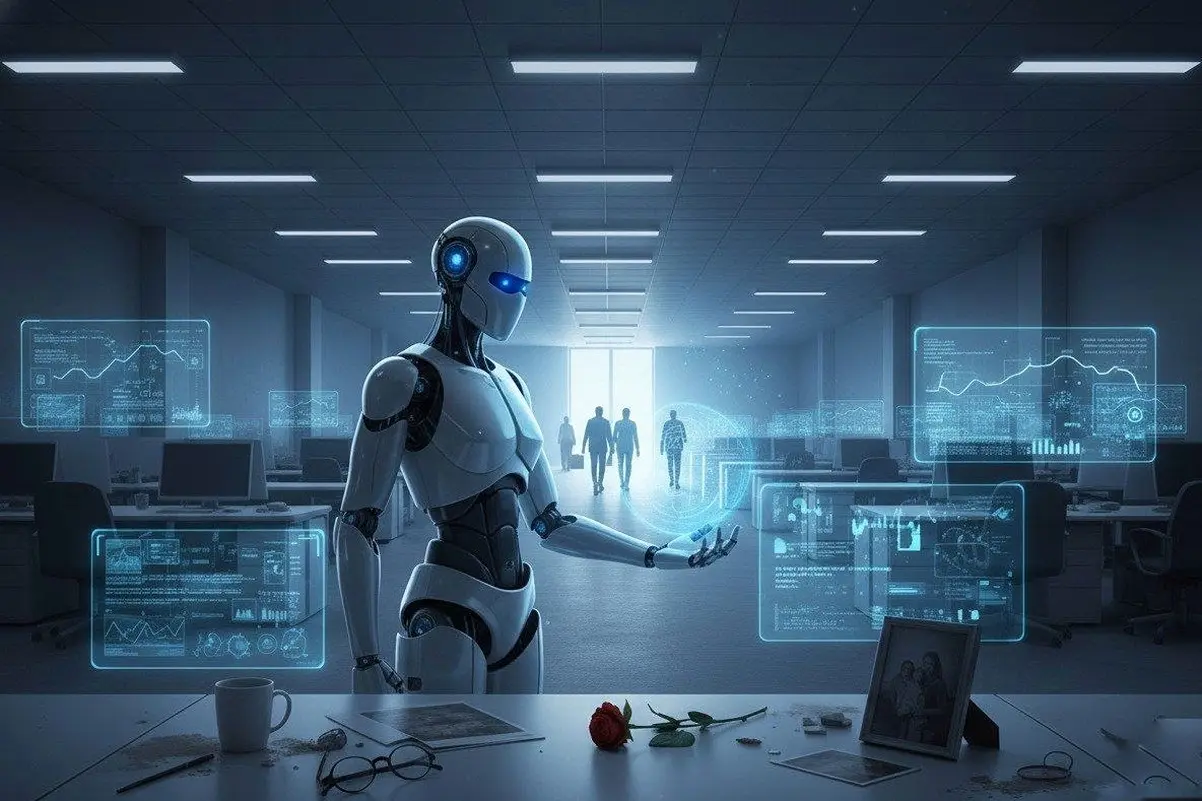
A growing number of Japanese companies are preparing to scale back hiring of new university graduates for 2027, as productivity gains from generative artificial intelligence begin to reshape long-term workforce planning, according to the latest industry survey.
The findings point to a gradual but significant shift in corporate recruitment strategies in Japan, where firms have traditionally maintained stable pipelines of graduate hiring as part of a lifelong employment model. However, the rapid adoption of AI tools across administrative, customer service and analytical tasks is now prompting a reassessment of staffing needs.
Executives cited in the survey suggest that generative AI is increasingly capable of automating routine work previously assigned to entry-level employees, reducing the immediate need for large-scale onboarding of junior staff. This is particularly evident in sectors such as finance, consulting, manufacturing support and back-office operations.
While companies are not expected to eliminate graduate recruitment altogether, many are shifting toward “selective hiring” models, prioritising candidates with digital, analytical or AI-related skills. The trend reflects a broader structural adjustment in Japan’s labour market, which is already under pressure from demographic decline and persistent labour shortages.
Analysts note that the shift could have long-term implications for career entry pathways in Japan, traditionally seen as highly structured and predictable. As firms balance efficiency gains with talent development needs, the role of universities and corporate training systems may also come under renewed scrutiny.