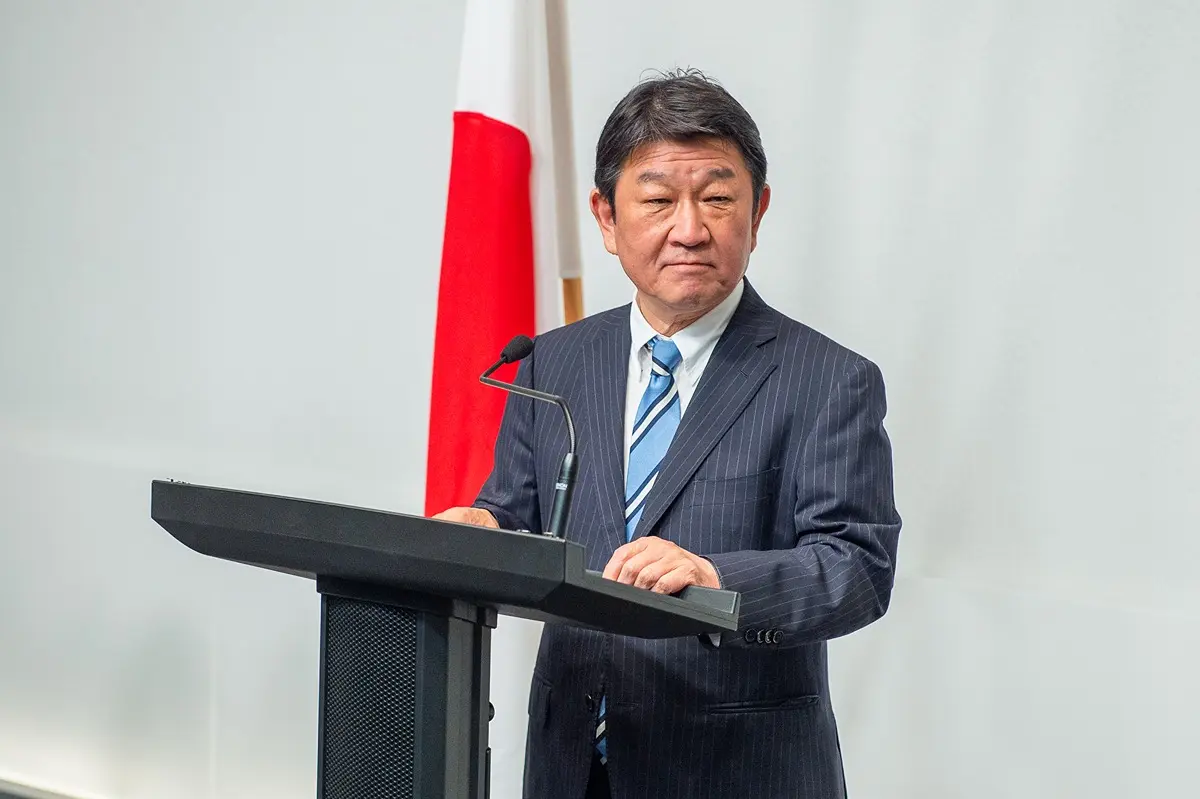
Japan has entered a new phase in its security and foreign policy architecture following the revision of its “Three Principles on Transfer of Defense Equipment and Technology.” Under the framework outlined by Foreign Minister Toshimitsu Motegi, Tokyo is moving beyond the export of components to the transfer of complete defense systems, marking a structural shift in how Japan engages with regional and global security dynamics.
This policy evolution—often described as the emerging “Motegi Doctrine”—reflects Japan’s response to what officials define as a rapidly changing post-war international order. Rather than limiting its role to domestic self-defense, Japan is positioning itself as a provider of advanced defense capabilities to selected partners across the Indo-Pacific, including countries such as the Philippines and Vietnam. The objective is to strengthen deterrence among “like-minded” states and reinforce what Tokyo describes as a “free and open” regional framework.
A key element of the revised approach is the institutional coordination between the Ministry of Foreign Affairs (MOFA) and the Ministry of Defense in overseeing exports and post-transfer monitoring. This dual structure is designed to ensure tighter control over end-use compliance while expanding Japan’s strategic influence through what can be described as “managed military diplomacy.” The model reflects an attempt to balance commercial expansion, alliance-building, and reputational safeguards in sensitive security transfers.
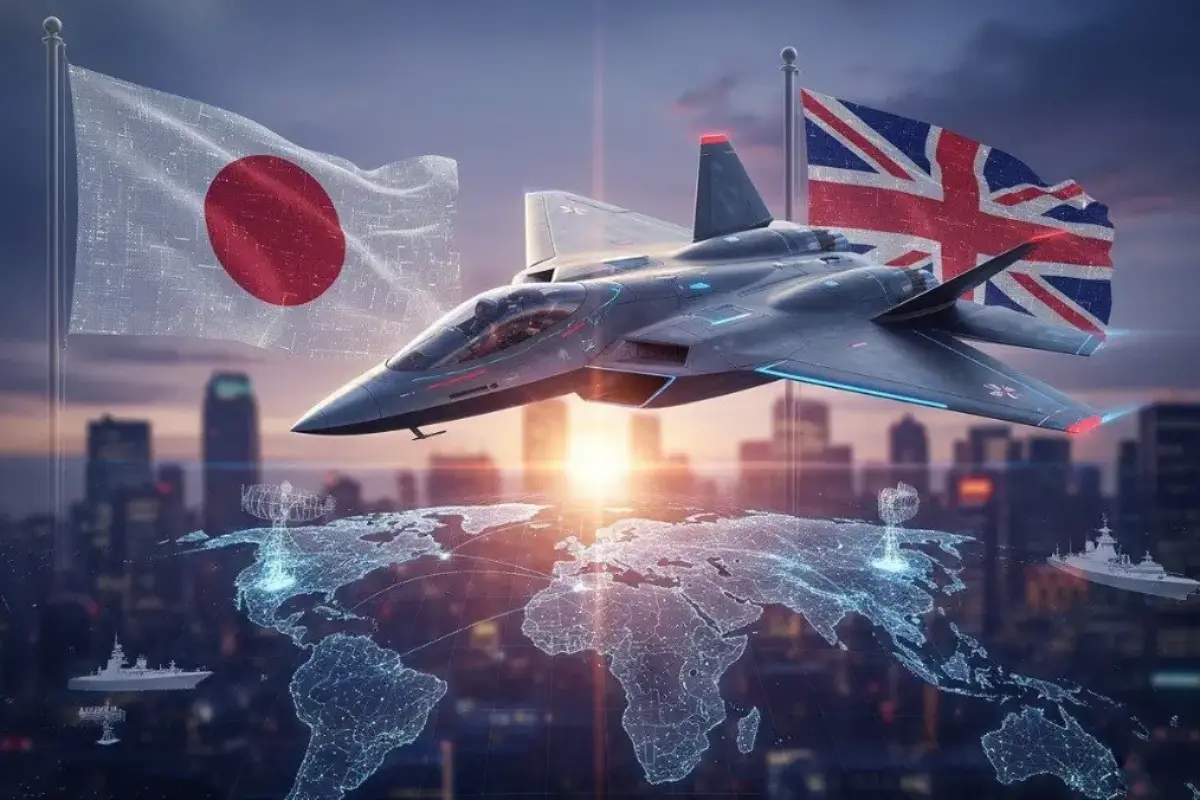
For Japan’s defense industry, the implications are significant. Major industrial players such as Mitsubishi Heavy Industries and Kawasaki are expected to benefit from deeper integration into international programs, including next-generation platforms like the Global Combat Air Programme (GCAP). The policy shift opens new export pathways that could enhance scale, innovation, and competitiveness in a sector historically constrained by strict domestic export limitations.
Ultimately, the Motegi Doctrine signals a broader redefinition of Japan’s strategic identity. Defense exports are no longer treated as an exception to policy restraint but as an active instrument of foreign policy. In a context of intensifying geopolitical competition in the Indo-Pacific, Tokyo is effectively converting industrial capability into diplomatic leverage—embedding security cooperation into the core of its international economic engagement.