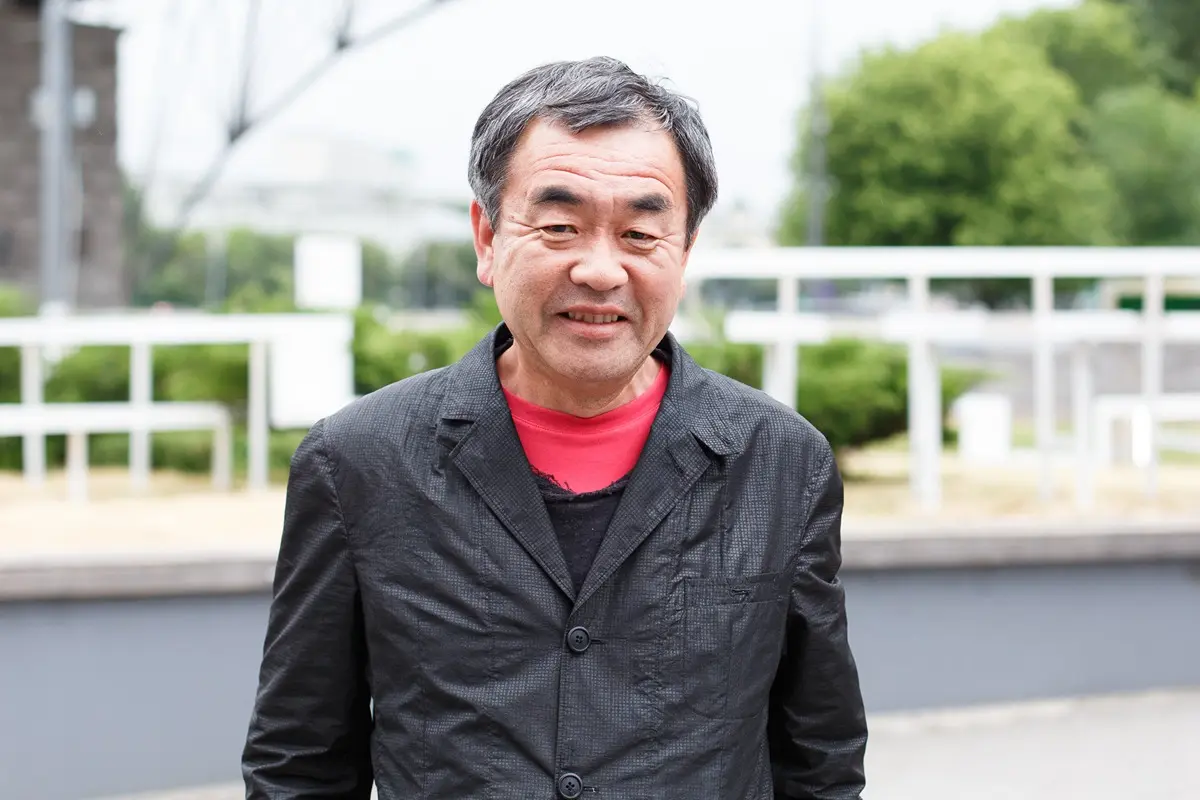
Japanese architect Kengo Kuma has further cemented his position as one of the country’s most influential cultural figures after being selected to design the new wing of London’s National Gallery, one of the world’s most prestigious art institutions. The appointment marks another major international commission for the architect, whose work has become synonymous with contemporary Japanese design on the global stage.
Best known internationally for designing Tokyo’s National Stadium for the 2020 Olympic Games, Kuma has built a reputation around his distinctive architectural philosophy, blending natural materials, light and open space to create structures that emphasise harmony with their surroundings. His latest project in London is expected to continue that signature approach while reimagining one of Britain’s most iconic cultural landmarks for a new generation.
The commission is being widely viewed as another sign of Japan’s growing influence in the global cultural and design sectors, where architecture increasingly functions not merely as construction but as a form of national branding. In recent years, Japanese architects and designers have enjoyed sustained international demand, reflecting broader global admiration for the country’s minimalist aesthetics and craftsmanship-driven ethos.
For Tokyo’s business and diplomatic circles, Kuma’s latest appointment also reinforces the strategic role that culture and design play in Japan’s soft power projection. Much like fashion, gastronomy or technology, architecture has become an increasingly valuable tool through which nations shape their international image and communicate values of sophistication, innovation and heritage.
As Japanese creative industries continue to gain prominence abroad, Kengo Kuma’s expanding global portfolio serves as a reminder that Tokyo’s influence is no longer confined to finance and technology alone. Increasingly, Japan’s capital is exporting not only products and ideas, but also a cultural vision that continues to shape the aesthetic language of the modern world.