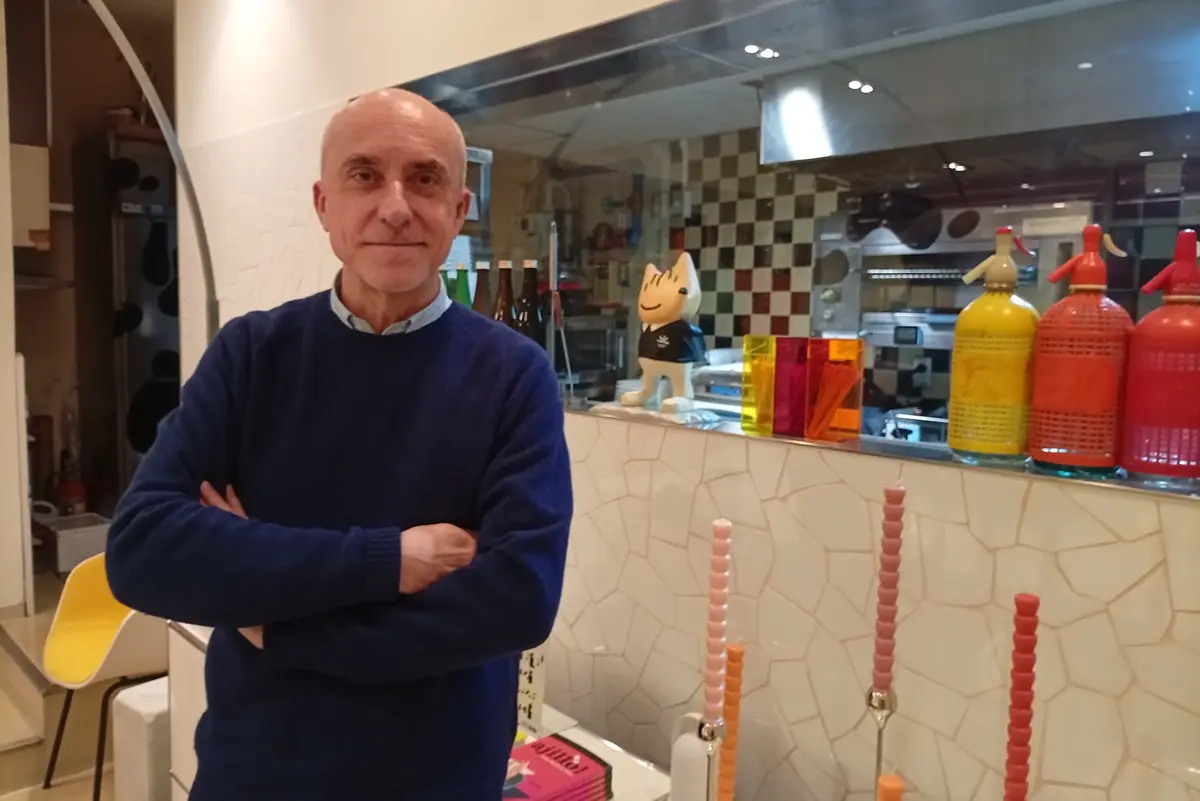
Antonio López is not the typical buttoned-up executive one might expect to find at the helm of a Japanese multinational. Although he currently leads Nissan’s global marketing and product strategy from Yokohama, his personal compass remains firmly tuned to the Atlantic. A dedicated surfer, López brings the fluid agility of the Basque coast to the rigid, “zero-risk” discipline of Japanese corporate culture. This unique hybrid perspective is now driving Nissan’s ‘Ambition 2030’—a radical roadmap toward 100% electrification in Europe. From managing a £3 billion EV ecosystem in Sunderland to overseeing a strategic supplier network that still relies heavily on the industrial expertise of Spain, López is redefining what it means to lead in a hyper-competitive, AI-driven automotive landscape. In this conversation, he discusses the shift from 100% certainty to 80% agility, the evolution of the iconic Patrol, and his belief that true authority comes not from a title, but from the respect of the engineers on the shop floor.
Nissan’s ‘The Arc’ plan in Europe is remarkably ambitious. Where is the brand heading?
Our ‘Ambition 2030’ vision is definitive: a 100% electrified passenger car range in Europe. We are set to launch six new models by 2026, including the new Micra—built on the Renault 5 platform—the new Leaf, and electric versions of our core icons, the Qashqai and Juke. In Europe, the regulatory landscape is more aggressive, and the market is demanding this battery-led transition far more rapidly than in other regions.
How is Nissan positioning itself against the mounting pressure from Tesla and emerging Chinese manufacturers?
We compete through strategic synergy within the Renault-Nissan-Mitsubishi Alliance. By sharing platforms for mid-sized vehicles, we drastically reduce development costs and increase our speed to market. This strategy is anchored by our EV36Zero ecosystem in Sunderland, England—a £3 billion investment utilizing 100% renewable energy to manufacture our electric future.
Is it difficult to apply that European agility within a Japanese environment traditionally defined by “zero risk”?
It is a constant challenge. In Japan, decisions are often made only when there is 100% certainty, which can be a bottleneck in today’s market. We are now advocating for more agility—deciding with 80% certainty to remain competitive against Tesla or Chinese brands. I’ve “contaminated” my Japanese teams with the idea that we must enjoy the work. We are now the team that laughs the most in the office, and that sense of fulfillment actually makes us more professional and effective.
The ‘Patrol’ nameplate carries immense weight in several different markets. What remains of that DNA in the 2026 model?
The promise of the Patrol is that it simply does not break. Since 1951, that spirit of robustness has been our religion. It has evolved from desert sands to high-tech sophistication, but it maintains the essence of the reliable vehicle once trusted by the military and farmers alike. To us, it is a “heartbeat”—the oldest nameplate in the company—and in 2026, it will celebrate its 75th anniversary.
How does Japanese engineering translate to a global audience today?
It starts with “zero defects,” which remains the pillar of Japanese engineering. We have added layers of technology that previously didn’t exist—such as air suspension and advanced camera systems—but the goal is always to ensure the vehicle remains accessible and functional for everyone, rather than becoming an unattainable premium product.
What does today’s SUV customer truly demand?
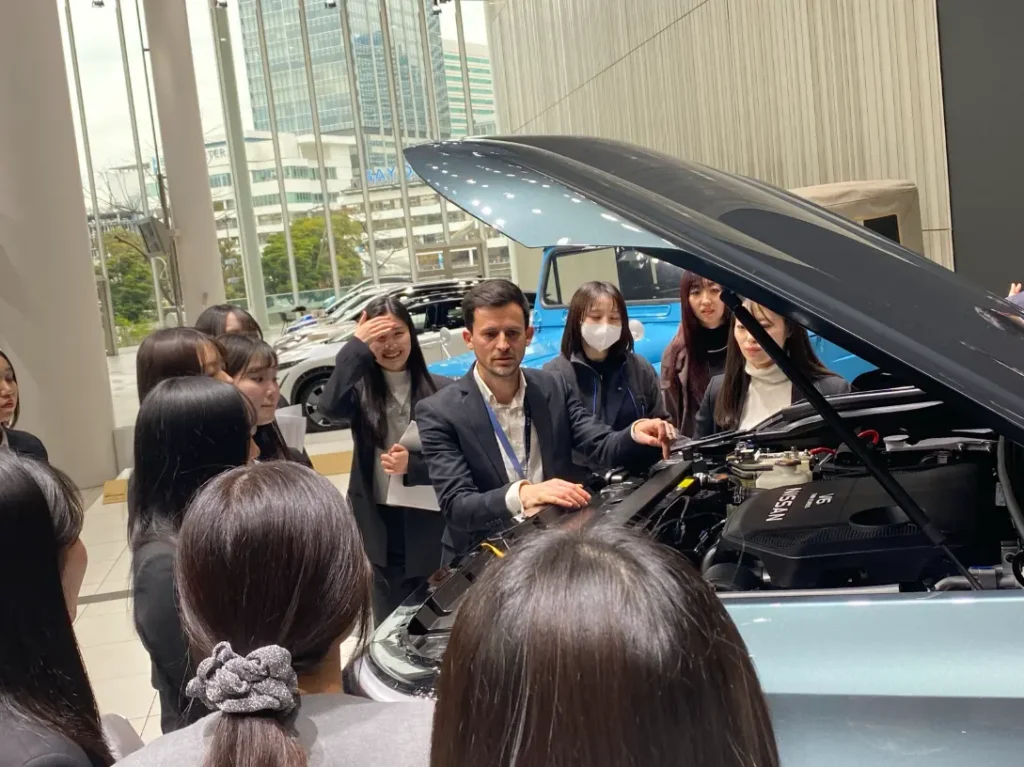
Safety and quality time. Post-pandemic, customers want to maximize the time spent with their loved ones. The car has become a “third bubble” of life. In certain markets, people spend an average of eight hours a day in their cars; that is why we include NASA-inspired ‘Zero Gravity’ seats, climate control, and massage functions. We want the vehicle to feel like your living room. It is what we call Life on Board (LOB).
Has Artificial Intelligence already taken the co-pilot’s seat?
It is here to stay. We have integrated Google Automotive into the Patrol so the car becomes an extension of your smartphone. If the AI knows you enjoy photography or fine dining, it will suggest a scenic viewpoint or a specific restaurant while you drive through Tokyo or Bilbao. It’s no longer just an assistant; it’s part of a Life on Board experience where the vehicle anticipates your needs.
Despite global industrial shifts, how much weight does the supplier network in the Basque Country and Catalonia hold for Nissan today?
It remains strategically vital. Nissan maintains a very strong network of suppliers in Euskadi and Catalonia that provides essential components for our Sunderland plant in England. Furthermore, centers like Idiada in Tarragona are among the best in the world for vehicle development due to their infrastructure and climate. Spain continues to be a crucial technological hub; the expertise and competitiveness of its engineers and suppliers are fundamental to Nissan’s global operations.
Yokohama is an environment of brutal technological competition. How do you manage that pressure?
In centers like Atsugi, we have 15,000 people working on vehicles. The challenge is the Japanese “zero-risk” culture, which can slow down decision-making. We are now pushing for more speed, deciding with 80% certainty rather than waiting for 100%. You have to get your hands dirty and move faster if you want to stay in the game.
You define yourself as a “leader who listens.” How do you manage talent in a culture as hierarchical as Japan’s?
In Japan, I learned that pride in a job well done—from the maintenance staff to the executives—is a way of life. My approach is that leadership is not something you impose; it is chosen by the people who want to work with you. I try to be the boss I never had: someone who listens twice and speaks once. At my meeting table, I am just another participant. I listen to the youngest engineer because their vision provides a value that I might miss from my position. Success is when the team wants to return tomorrow and give their best because they feel genuinely respected.
Finally, as a marketing director, how do you impact a customer who has seen it all?
With audacity. To launch the QX80 in New York, we cut the car into pieces to take it up a freight elevator to the 100th floor of a skyscraper and reassembled it there in a single night. In Abu Dhabi, we brought 38 trucks of actual desert sand inside a building. Today, if you want the world to look at you, you have to bring the desert to the customer.