Our website use cookies to improve and personalize your experience and to display advertisements (if any). Our website may also include cookies from third parties like Google Adsense, Google Analytics, Youtube. By using the website, you consent to the use of cookies. We have updated our Privacy Policy. Please click on the button to check our Privacy Policy.

Blog

Spain’s Embassy in Japan sparks backlash over warning tweet on theft

Spain’s Embassy in Japan sparks backlash over warning tweet on theft

Spain’s Embassy in Japan has stirred debate on social media after publishing a warning to Spanish travellers about theft laws in the country, with many users criticising the tone and implications of the message. The tweet, posted this week, cautioned that what may seem “unimportant” -such as taking items without paying- is considered a serious crime in Japan and can lead to significant legal consequences. The message urged visitors to “enjoy your trip with respect and responsibility,” but quickly triggered a wave of reactions online. A large number of replies questioned the framing of the warning, with some users sarcastically…
Read More
Japan tightens Mount Fuji climbing rules with mandatory gear checks

Japan tightens Mount Fuji climbing rules with mandatory gear checks

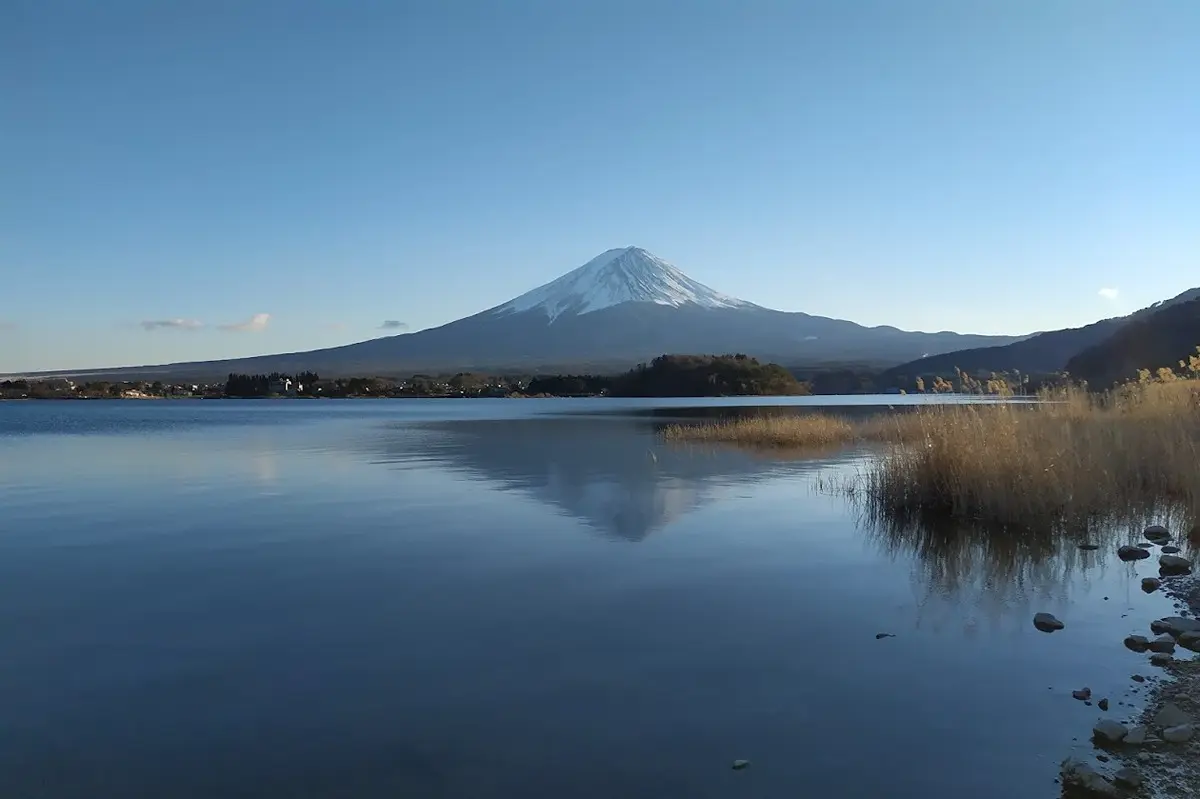
Japan will introduce stricter safety controls for the 2026 climbing season on Mount Fuji, as authorities in Yamanashi Prefecture move to enforce mandatory equipment checks on one of the mountain’s most popular routes. The new measures, focused on the Yoshida Trail, will require climbers to carry a minimum set of gear — including proper hiking boots, rainwear, and cold-weather clothing — in order to access the mountain. Officials say the rules respond to a growing number of accidents linked to poorly equipped visitors, particularly during peak summer months when conditions at the summit can still drop below freezing. Under the…
Read More
Japan’s quiet turn toward strategic assertiveness

Japan’s quiet turn toward strategic assertiveness

While much of the international spotlight remains fixed on great power rivalry between the United States and China, Japan is steadily shaping a more defined and self-conscious foreign policy posture of its own. What could be described as the “Motegi Doctrine” reflects a pragmatic shift: a foreign policy anchored in economic security, strategic partnerships, and a more proactive role in safeguarding national interests in an increasingly fragmented global order. At its core, this approach is less about confrontation and more about insulation. Under Foreign Minister Toshimitsu Motegi, Japan has moved to reinforce the resilience of its supply chains, protect critical…
Read More
The local new paradiplomacy of necessity

The local new paradiplomacy of necessity

While the central government in Tokyo continues to navigate the political sensitivities of immigration with characteristic caution, a quiet revolution is taking place in Japan’s hinterlands. Faced with an existential demographic crisis, Japan’s prefectures are no longer waiting for a signal from Kasumigaseki. They have stepped into the vacuum, conducting their own brand of "labor diplomacy" to secure the human capital necessary for their economic survival. For decades, Japan’s approach to foreign labor has been centralized, rigid, and often reactive. However, the disconnect between national policy and regional reality has reached a breaking point. In the industrial hubs of Aichi…
Read More
Takaichi’s cold realism on Russian energy

Takaichi’s cold realism on Russian energy

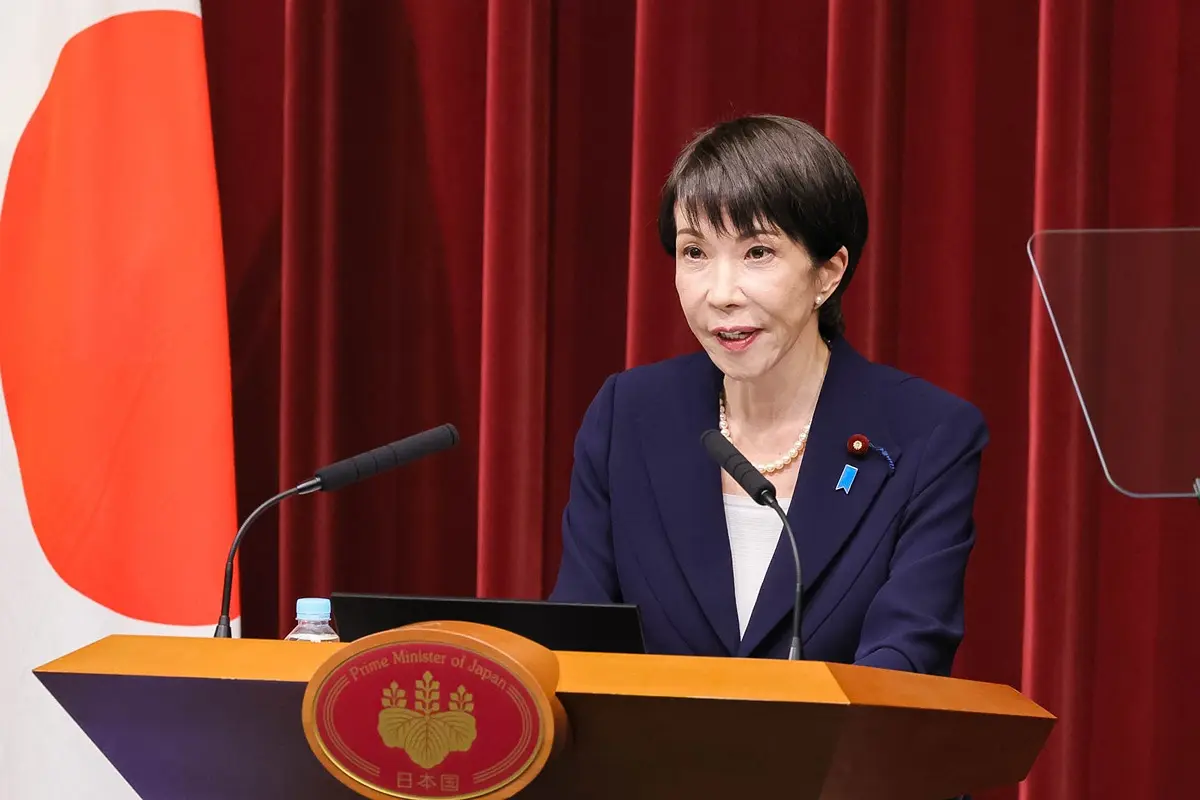
Urmas Teder, journalist. In the corridors of the G7, the narrative is one of total decoupling from Russian hydrocarbons. Yet, in Tokyo, the administration of Sanae Takaichi is quietly practicing a far more nuanced—and controversial—brand of energy diplomacy. While Takaichi remains one of the most hawkish voices against global authoritarianism, her stance on Russian energy projects like Sakhalin-1 and Sakhalin-2 reveals a pragmatic streak that prioritizes national survival over absolute diplomatic alignment. To understand Takaichi’s position, one must look through the lens of Economic Security. For the Prime Minister, the security of the Japanese state is inextricably linked to the…
Read More
Fujifilm advances green shift in semiconductor materials

Fujifilm advances green shift in semiconductor materials

Fujifilm Corporation has announced the development of the world’s first fluorine-free negative ArF immersion photoresist, a key material used in advanced semiconductor manufacturing, marking a significant technological shift in one of the most strategic segments of the global chip supply chain. The new material is designed for advanced nodes used in artificial intelligence semiconductor production, where demand continues to grow rapidly. Fujifilm has already begun providing samples to clients, with early commercialization planned following evaluation. The company positions the innovation as both a performance breakthrough and a response to increasing environmental and regulatory pressure around PFAS-related substances. ArF immersion lithography…
Read More
Takaichi aims for more Saudi oil through Red Sea route

Takaichi aims for more Saudi oil through Red Sea route

Japan has signaled its intention to deepen energy cooperation with Saudi Arabia following a high-level telephone summit between Prime Minister Takaichi Sanae and Crown Prince Mohammed bin Salman. The conversation focused on energy security, maritime stability, and the strategic continuity of crude oil flows to Japan amid heightened regional tensions. During the call, Takaichi expressed appreciation for Saudi Arabia’s continued supply of crude oil to Japan through Yanbu Port, even after the outbreak of broader regional instability. She also requested expanded cooperation to ensure more stable and diversified energy flows, underscoring Tokyo’s priority of securing resilient supply chains in a…
Read More
Prefectures step into foreign labour diplomacy as Tokyo lags behind

Prefectures step into foreign labour diplomacy as Tokyo lags behind

A growing number of Japanese prefectures are increasingly taking an active role in securing foreign workers, reflecting structural limits in the central government’s ability to address regional labour shortages. According to a survey by NHK, 20 of Japan’s 47 prefectures have signed memorandums with foreign governments to attract and retain workers, signalling a gradual decentralisation of labour-related international engagement. Japan’s foreign workforce reached a record 2.57 million people as of last October, yet its distribution remains highly uneven, with around 40% concentrated in Tokyo and its three surrounding prefectures. This imbalance is leaving many regional economies—particularly in agriculture, elderly care…
Read More
AI as a scientific driver takes centre stage at Swiss-Japanese business luncheon

AI as a scientific driver takes centre stage at Swiss-Japanese business luncheon

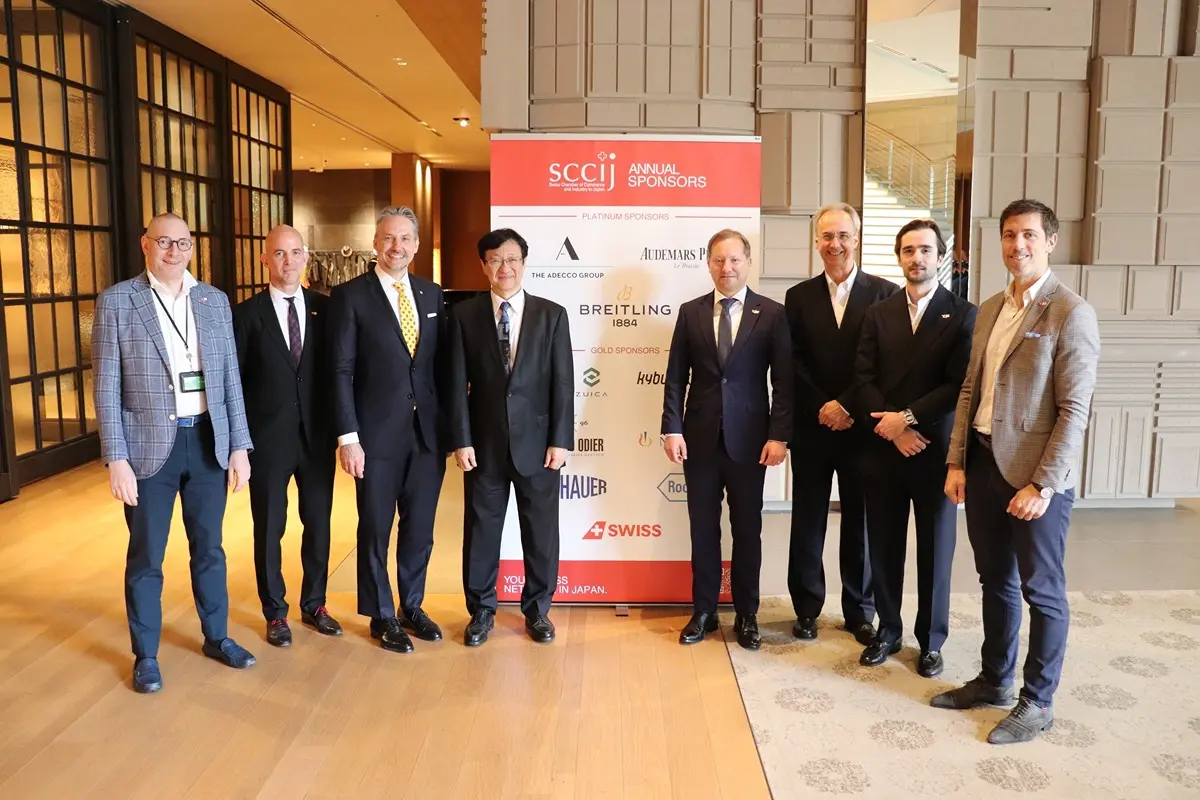
More than 80 members and guests gathered in Tokyo for the SCCIJ VIBES April Luncheon, focused on the growing role of artificial intelligence in scientific research and innovation. The event featured Dr. Hiroaki Kitano, President and CEO of Sony Computer Science Laboratories, who presented an outlook on AI as an emerging “scientific actor” reshaping research methodologies and discovery cycles. The discussion highlighted how autonomous systems and AI-driven laboratories are increasingly accelerating scientific processes, compressing traditional research timelines and redefining how knowledge is produced. According to Dr. Kitano, this shift is not only technological but structural, with implications for innovation models…
Read More
Tokyo Art & Antiques Festival opens in Nihonbashi and Kyobashi

Tokyo Art & Antiques Festival opens in Nihonbashi and Kyobashi

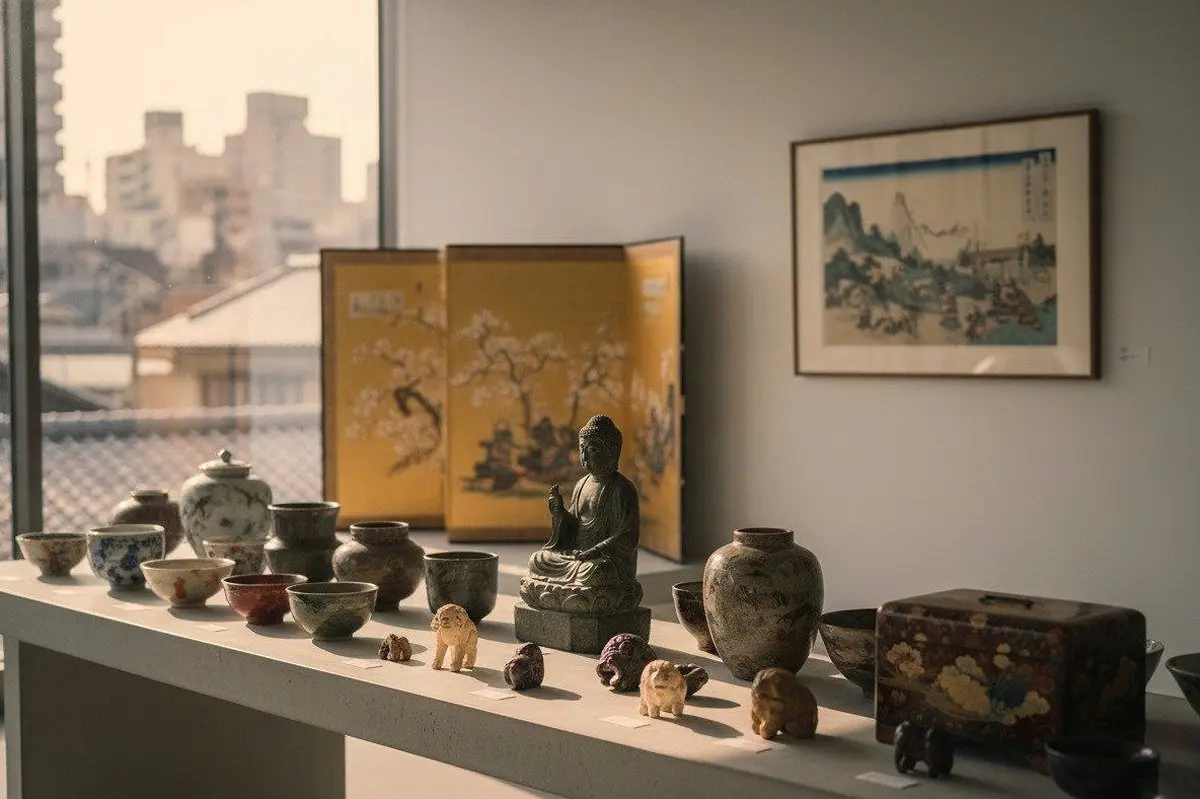
The Tokyo Art & Antiques Festival opens on April 23 across the Nihonbashi and Kyobashi districts, reinforcing its position as Japan’s largest event dedicated to antiques and classical art in contemporary interiors. The festival brings together galleries, dealers, and specialists in traditional Japanese and Asian art, alongside curated exhibitions that highlight the growing dialogue between historical craftsmanship and modern design sensibilities. This year’s edition places particular emphasis on the revaluation of classical pieces within today’s residential and commercial spaces, reflecting a broader trend in Japan’s interior design market where heritage objects are increasingly integrated into minimalist, contemporary environments. Beyond its…
Read More