Our website use cookies to improve and personalize your experience and to display advertisements (if any). Our website may also include cookies from third parties like Google Adsense, Google Analytics, Youtube. By using the website, you consent to the use of cookies. We have updated our Privacy Policy. Please click on the button to check our Privacy Policy.

Josep Solano

Journalist, writer and academic. Editor-in-chief of Diplomacy & Business and lecturer at UOC. Analyzing the social, political, and economic shifts of Japan and specialist in the political and economic landscape of the Pacific region and Europe.
26 Posts
When Tehran’s message reaches Asia through Tokyo

When Tehran’s message reaches Asia through Tokyo

The message published this week by the Embassy of Iran in Japan is not merely another piece of diplomatic propaganda. It is also a reflection of the gradual transformation of the global geopolitical narrative. The Iranian statement portrays Tehran as a besieged power that, despite sanctions, wars, and Western pressure, continues to resist while repeatedly opting for diplomacy. The United States is depicted as the true destabilizing force in the Middle East: a power that imposes sanctions, sabotages negotiations, and routinely relies on military pressure as an instrument of foreign policy. This narrative is not new. What is new is…
Read More
Takaichi strategic remorse of Japan’s new nationalism

Takaichi strategic remorse of Japan’s new nationalism

For decades, Japan maintained a delicate balance between historical reconciliation and national interest. Successive governments expressed remorse for the legacy of the Second World War, while emperors such as Akihito and Naruhito cultivated an image of restraint and reconciliation across Asia. The controversy surrounding Prime Minister Sanae Takaichi in 2026 is therefore not about whether Japan apologizes for its wartime past, but about how historical memory is increasingly being integrated into Tokyo’s strategic diplomacy. During recent visits to the United States and Australia, Takaichi’s gestures of remembrance have been solemn, highly visible and politically significant. Ceremonies at memorials in Canberra…
Read More
Japan’s global ambitions vs. the domestic fortress

Japan’s global ambitions vs. the domestic fortress

As Japan marks Midori no Hi this Monday, the usual calm of Golden Week feels somewhat out of sync with the pace of events beyond its borders. While millions of people travel or return to their hometowns, the government is moving in a very different direction, dispatching ministers, envoys and business delegations across Europe and the Global South. The message is unmistakable: Tokyo wants to be seen not just as a reliable partner, but as a central actor in an increasingly unstable international landscape. And yet, back in Japan, the mood is shifting in a more cautious direction. In recent…
Read More
The local new paradiplomacy of necessity

The local new paradiplomacy of necessity

While the central government in Tokyo continues to navigate the political sensitivities of immigration with characteristic caution, a quiet revolution is taking place in Japan’s hinterlands. Faced with an existential demographic crisis, Japan’s prefectures are no longer waiting for a signal from Kasumigaseki. They have stepped into the vacuum, conducting their own brand of "labor diplomacy" to secure the human capital necessary for their economic survival. For decades, Japan’s approach to foreign labor has been centralized, rigid, and often reactive. However, the disconnect between national policy and regional reality has reached a breaking point. In the industrial hubs of Aichi…
Read More
Inward innovation and the Galapagos effect 2.0

Inward innovation and the Galapagos effect 2.0

Japan stands at a crossroads where economic security appears to take precedence over international openness. Under the administration of Sanae Takaichi, Tokyo has constructed a legal architecture that, instead of attracting the talent necessary for strategic sectors, is complicating its integration. This trend toward "inward innovation" suggests an attempt to progress in fields such as semiconductors and artificial intelligence while effectively restricting the global circulation of knowledge. Economic Security Minister Kimi Onoda is leading this shift toward stricter controls. The new security clearance system requires companies to conduct exhaustive vetting of foreign professionals, including their family ties and backgrounds. This…
Read More
The Einstein precedent

The Einstein precedent

The case of Idrissa Gogo is more than a legal dispute; it is a profound litmus test for Japan’s self-proclaimed ambition to become a global magnet for talent. As the Ministry of Justice moves toward tightening language requirements for specialized visas, the sight of a high-level academic fighting for the right to contribute to the Japanese intellectual landscape exposes a jarring contradiction in the nation’s immigration philosophy. For years, the "Engineer/Specialist in Humanities/International Services" visa has been the primary gateway for global professionals. The government’s recent proposal to mandate a CEFR B2 (JLPT N2) proficiency level for these roles is…
Read More
Seoul opens doors as Tokyo tightens reins on foreign talent

Seoul opens doors as Tokyo tightens reins on foreign talent

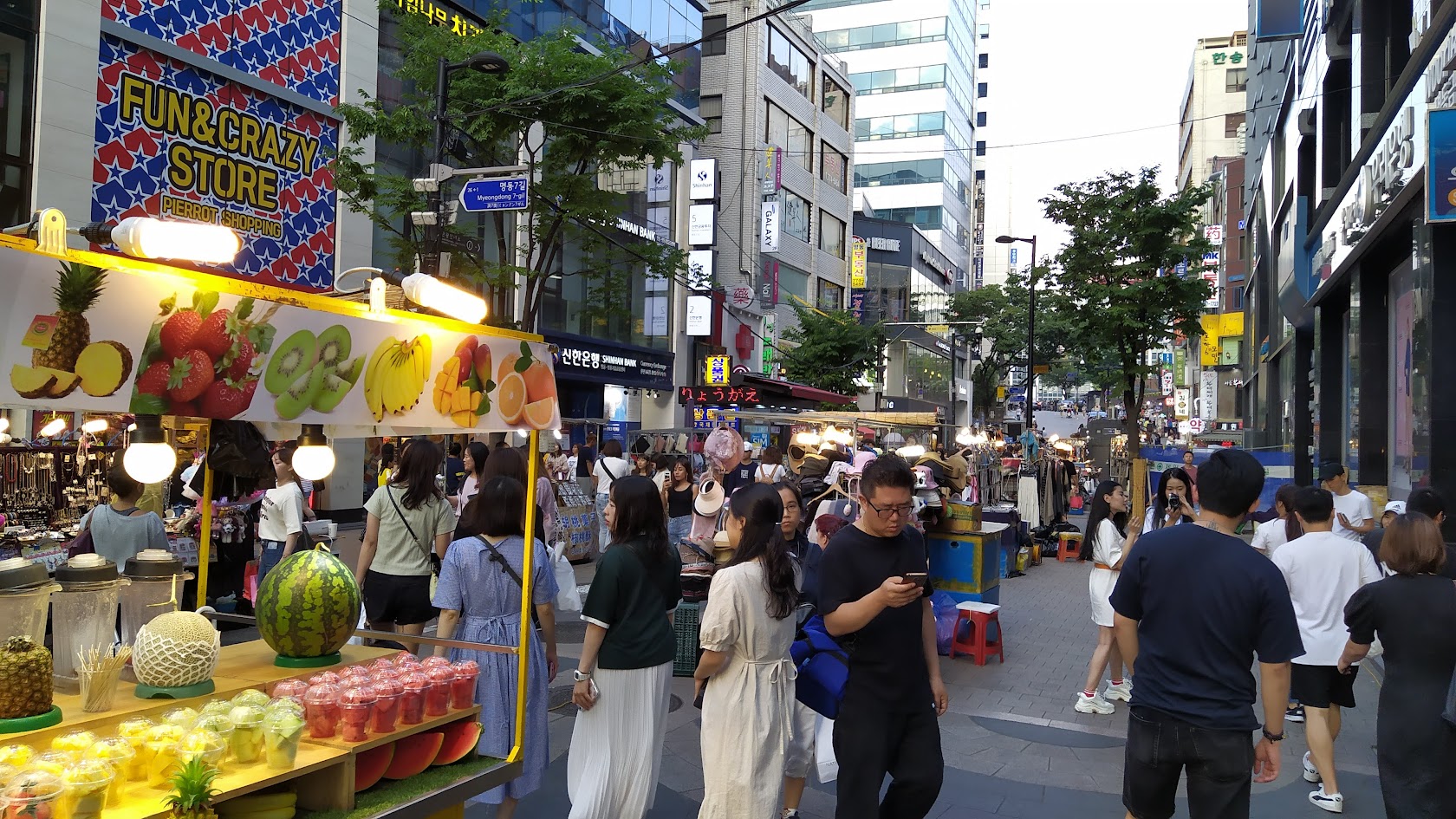
As East Asia grapples with an unprecedented demographic crisis, a sharp policy divide is emerging between its two largest economies. While South Korea has launched an ambitious "2030 Immigration Policy Future Strategy" to integrate international talent, Japan appears to be moving in the opposite direction, tightening residency controls and increasing linguistic barriers. This divergence is no longer just a social issue; it has become a central factor in the regional race for economic sustainability and technological leadership. The South Korean plan represents a fundamental shift toward converting immigration into a strategic advantage. The government in Seoul has introduced a suite…
Read More
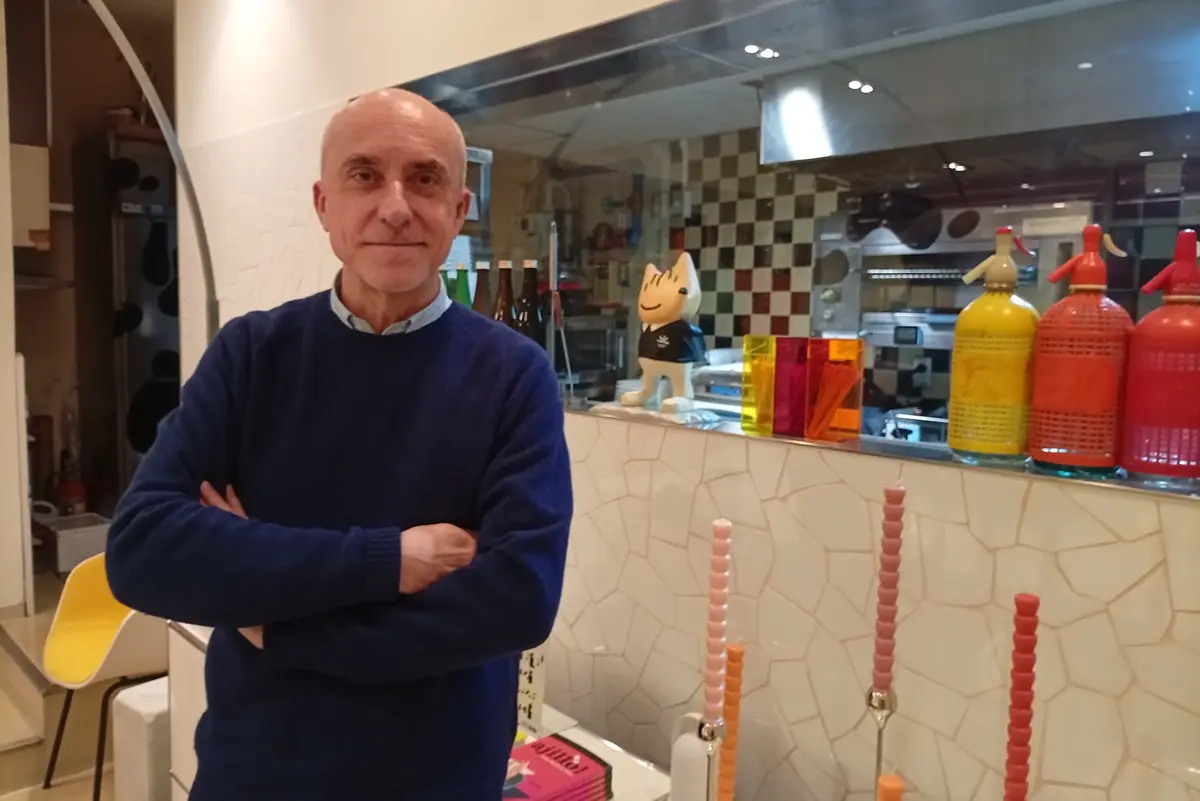
Josep Barahona: “Cuisine serves to create a climate of understanding”

Josep Barahona: “Cuisine serves to create a climate of understanding”

Thirty-five years after his arrival in Tokyo, the prestigious Catalan chef reflects on his career as an "informal ambassador" of Mediterranean gastronomy in Asia. From cooking for emperors and kings to the democratization of the high-end biquini (Catalan toasted sandwich), Barahona analyzes the demands of the Japanese market and the philosophy of a chef who refuses to leave the stove. When Josep Barahona landed in Tokyo in 1991, the image of Spanish cuisine in Japan was limited to folkloric clichés. Today, Catalan gastronomy is synonymous with prestige. Barahona has been the invisible bridge between Japan’s excellent raw materials and Catalan…
Read More
The New Face of Japanese Peace Diplomacy

The New Face of Japanese Peace Diplomacy

Something important happened in Tokyo last Wednesday. It didn’t make the front pages, but it should have. The Sasakawa Peace Foundation launched the Center for Mediation Support. It sounds like a technical, bureaucratic step but it is actually the start of a quiet revolution in how Japan talks to the world. For decades, Japan followed a very predictable script. They were the world’s reconstruction experts. They arrived with the checks after the fighting stopped to build bridges and hospitals. It was vital work, but it was passive. Japan waited for the end of the story to show up. Even the…
Read More
Kawagoe: A Serene Alternative in the Land of Cherry Blossoms

Kawagoe: A Serene Alternative in the Land of Cherry Blossoms

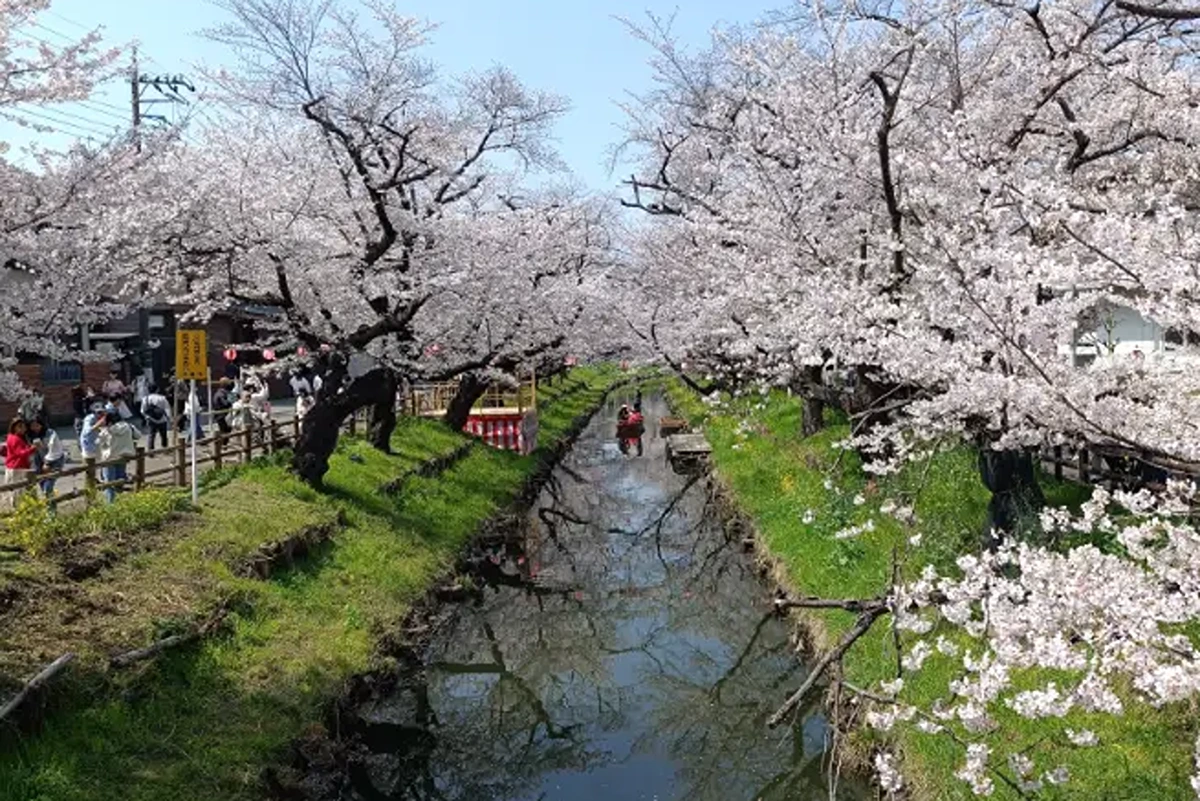
In the early afternoon, Hikawa Bridge transforms into an improvised cinematic stage. Groups of young women, draped in soft-toned kimonos, laugh while attempting to catch the slow-motion rain of petals falling over the water. Beneath them, small wooden boats glide calmly along the Shingashi River, navigating through white and pink speckles floating on the surface. On the banks, the blooming cherry trees trace an ephemeral tunnel, turning Kawagoe into a living postcard of Japan’s most evocative season. Just meters from the bridge, the grand torii of Hikawa Shrine—one of Japan’s most imposing—stands as a symbolic gate between the tourist buzz…
Read More